BUYER-CONTROLLED OEM PADDLE PRODUCTION

OEM Pickleball Paddle Manufacturer That Protects Your Specification

Selecting an OEM pickleball paddle manufacturer is a specification-management decision, not only a price comparison. Buyers need confidence that approved materials, construction, dimensions, weight range, artwork, packaging and inspection requirements will be carried from sample through repeat production.

Gloperti supports OEM carbon fiber, fiberglass, graphite, T700 and thermoformed paddles for brands, importers, distributors and retailers. Projects can use existing structures, buyer-modified platforms or newly developed shapes and constructions.

Our workflow creates clear approval points, production references and quality checks while supporting confidentiality and practical pilot quantities.

OEM BUYER CONTROL
Approve What Will Be Reproduced
Specification
Material / Build / Range
Ownership
IP / Drawing / Tooling
Change
Proposal / Approval / Record
Release
QC / Evidence / Shipment
Pilot MOQ from 50 pcs · Free Design Support
OEM Pilot MOQ
0 +
In-House Designers
0
Dedicated QC Staff
0
Daily Paddle Capacity
0 +
Custom pickleball paddle manufacturer Custom pickleball paddle manufacturer paddle packaging
⚙️
OEM Success Depends on Controlled Details
Approved samples, written specifications, controlled changes and traceable inspection help protect your product across repeat orders.

OEM Means Reproducing Your Approved Product—Not Merely Adding a Logo

The first OEM risk is an incomplete specification. If the face, core, thickness, shape, handle, grip, weight, surface and packaging are not documented, the sample becomes open to interpretation. We convert the approved product into a production-ready reference.

The second risk is unauthorized change. Buyers should define which materials, suppliers, colors or processes require written approval before substitution. Change control protects product consistency and customer claims.

The third risk is unclear responsibility. Tooling ownership, artwork rights, approval submissions, inspection standards, defect evidence and corrective action should be discussed before mass production—not after a problem.

Resolve OEM Procurement Risks Before Issuing the Purchase Order

Each capability below addresses a question experienced OEM purchasing teams ask before committing funds.

Is the Specification Complete?

Define material, construction, dimensions, target ranges, artwork, packaging and test expectations in one controlled reference.

Who Owns the Design and Tooling?

Clarify buyer-supplied IP, factory-developed elements, tooling payment, storage, maintenance and permitted use.

Can Materials Change Without Approval?

List critical materials and processes that cannot be substituted without buyer review and written approval.

Will Mass Production Match?

Use approved samples, production specifications and inspection criteria to reduce interpretation during scale-up.

Is the Quote Truly Complete?

Compare unit price together with sampling, tooling, printing, packaging, inspection, export carton and shipping assumptions.

What Happens When Defects Occur?

Agree how defects are documented, investigated, contained and resolved, including evidence and corrective-action timing.

OEM Specification, Responsibility & Risk Matrix

Connect OEM decisions to ownership, production control, buyer approval and the commercial risk each decision manages.

OEM DecisionWhat to DefineBuyer Risk Controlled
SpecificationMaterial, build, dimensions, ranges, artwork, packagingInterpretation and sample drift
OwnershipBuyer IP, factory work, tooling payment, storage and useDesign and mold disputes
Change ControlCritical items, alternative proposal and written approvalUnauthorized substitution
Quality ReleaseChecks, sampling, evidence, disposition and shipment releaseDisputes after shipment
Total CostSample, tooling, unit, print, packing, inspection, cartonUnexpected cost and margin erosion

A Stage-Gated OEM Pickleball Paddle Workflow

Six controlled stages reduce the chance of late changes, misunderstood requirements and unplanned rework.

01

Commercial & Technical Brief

We review target market, customer, price, construction, claims, quantity, timeline, intellectual property and packaging.

02

Specification and Sample

Engineering samples and documents define materials, dimensions, weight range, grip, artwork and approved presentation.

03

Approved-Material Control

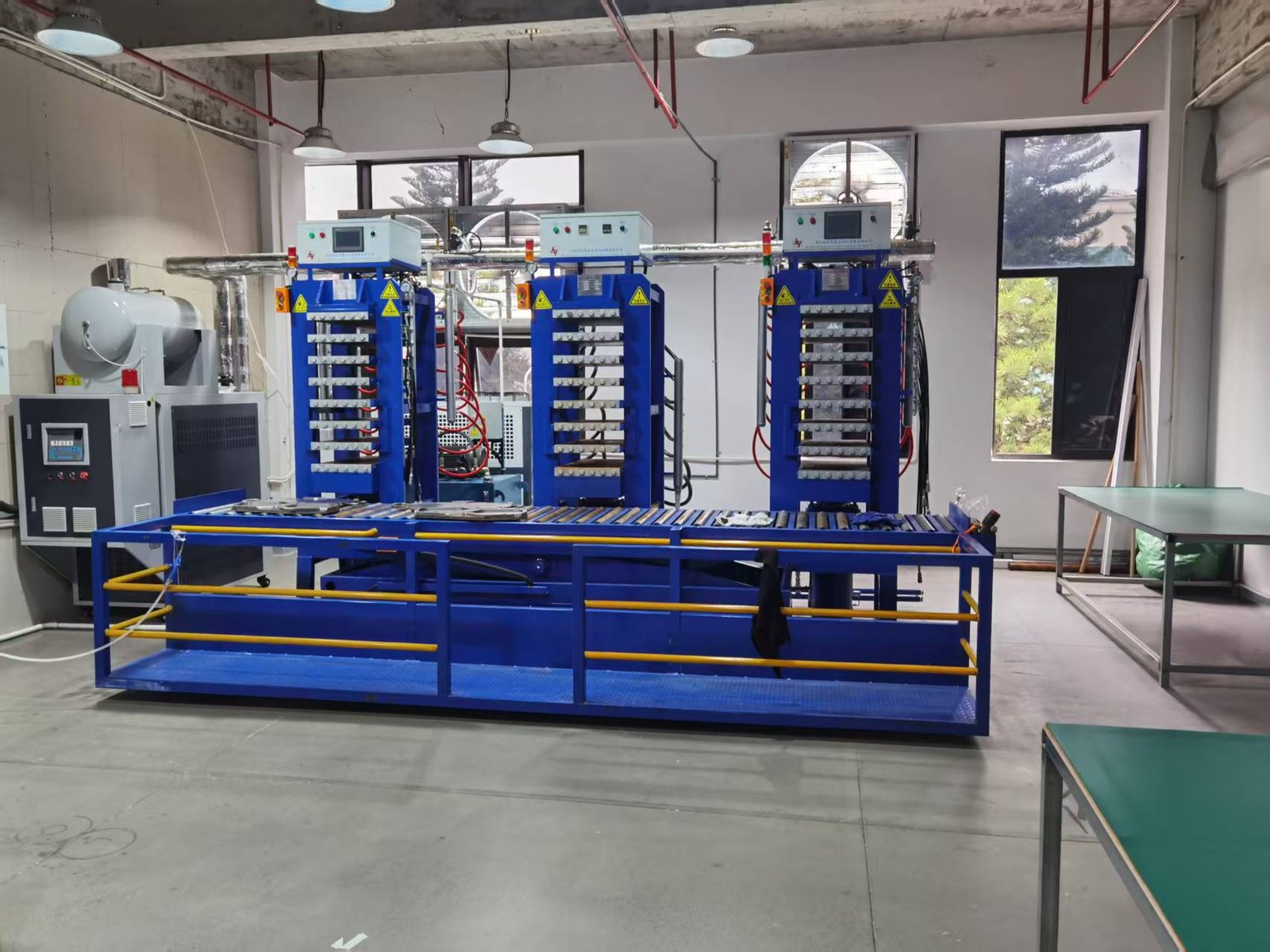
Approved faces, cores, foam, adhesives, handles, edges, grips and packaging are prepared against the project reference.

04

Controlled Production

Production follows approved process and artwork files, with deviations escalated through agreed change control.

05

QC and Release Decision

Inspection checks agreed characteristics, records findings and supports the buyer’s release or shipment decision.

06

Documentation and Shipment

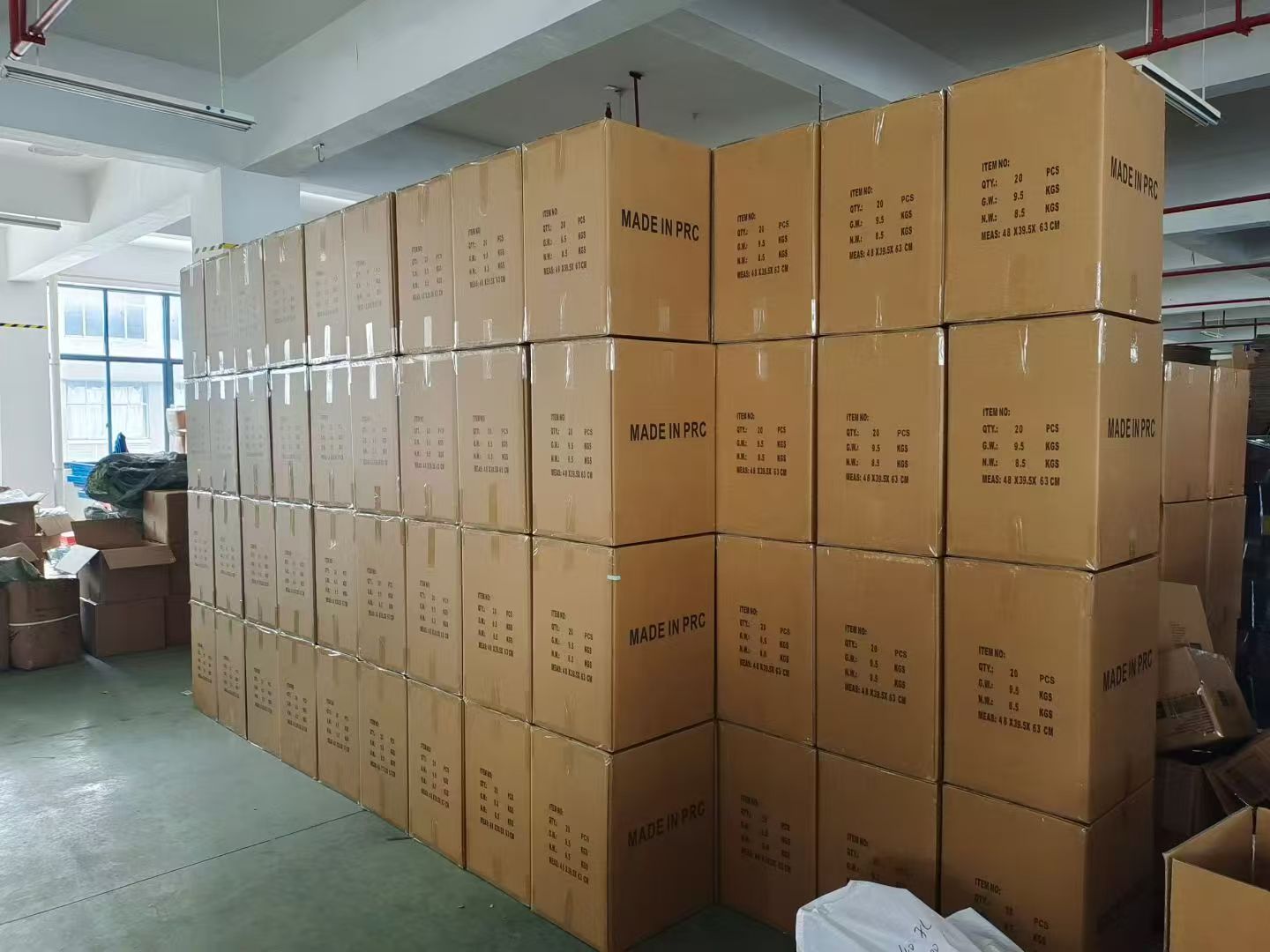
Products, labels, cartons and documentation are matched to models and purchase-order requirements before shipment.

Build an OEM Program That Can Be Reordered Consistently

An OEM range can use a disciplined product architecture rather than disconnected custom models. An entry fiberglass paddle can serve value retail and promotions. A graphite or accessible carbon model can support intermediate users. T700 raw carbon and thermoformed models can address control, all-court and power segments.

Shared components, grip systems, packaging dimensions or artwork frameworks can simplify sourcing, while face, core, thickness and shape create meaningful product differentiation. Buyers should identify which elements are common and which are model-critical.

For repeat production, retain approved files, model codes, specifications, packaging requirements and change history. When a component becomes unavailable, proposed alternatives should be evaluated before they enter production.

Designed for OEM decision makers

Brand Owners
Protect product identity and repeatability.
Importers & Distributors
Control cost, quality and release decisions.
Retail & E-commerce
Coordinate product, labels and packaging.
Product Developers
Move from prototype to controlled production.

How Gloperti Addresses OEM Buyer Concerns

Our OEM process emphasizes buyer approval, documented references, change visibility and repeat-order continuity.

Pilot-Order Flexibility

Selected programs can begin around 50 pieces, supporting pilot sales and technical validation before scaling.

Approval Before Scale

Approve the real construction, materials, dimensions, target weight, feel, graphics, labels and packaging.

Defined Release Checks

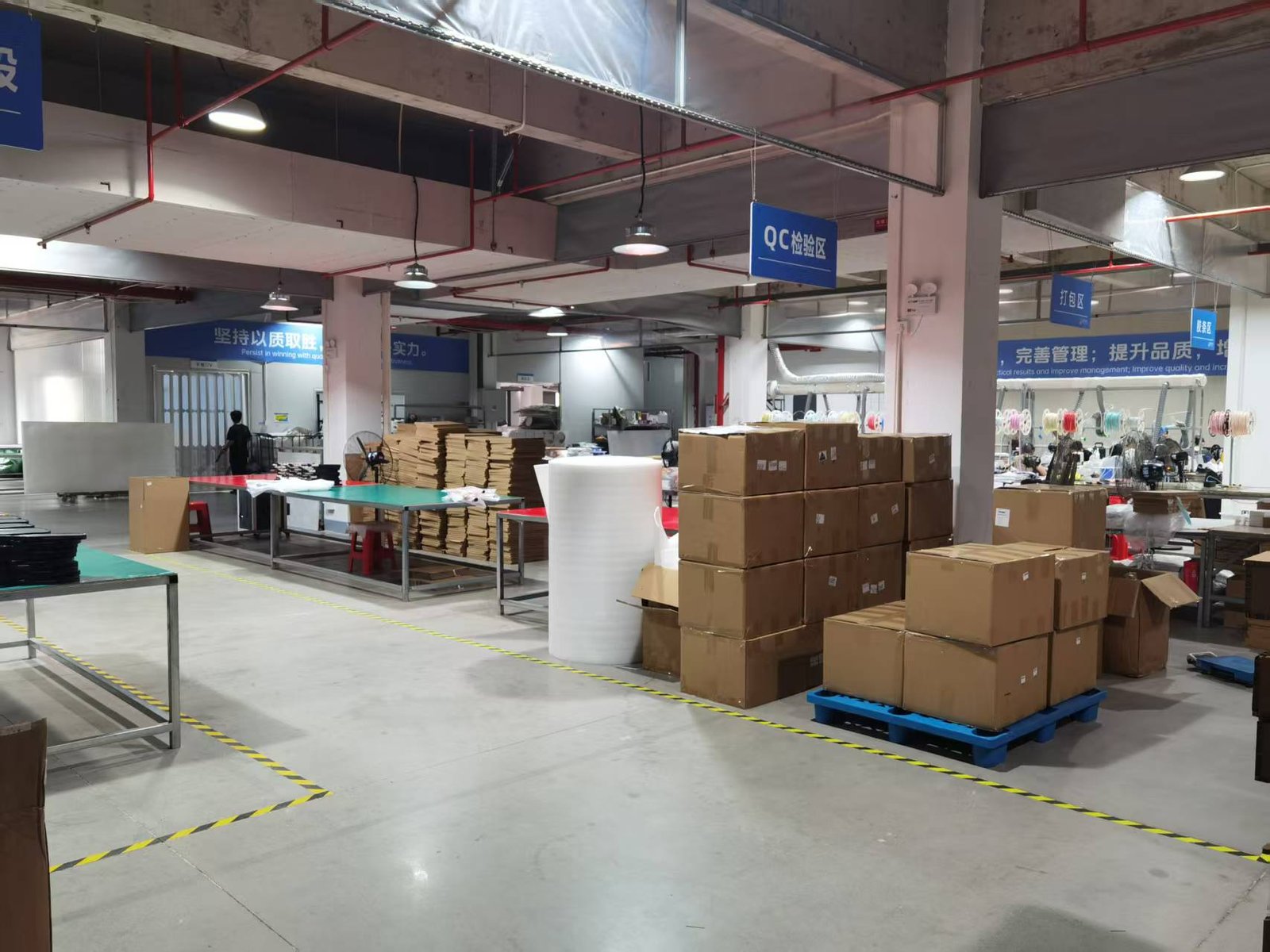
Five QC staff support incoming, in-process and final checks against the agreed specification and packing list.

OEM Product Architecture for Entry Through Performance Models

OEM programs can include fiberglass paddles, graphite paddles, raw carbon fiber paddles, T700 models, 3K/12K/18K woven faces, thermoformed structures, foam-enhanced paddles, elongated power shapes, widebody control paddles and coordinated sets.

Buyers can begin with a proven platform to reduce cost and development time, modify an existing construction for differentiation or create a more exclusive product requiring new drawings or tooling. Each path has different MOQ, lead time, ownership and validation requirements.

Quality planning should focus on characteristics that affect customer experience and claims: material, dimensions, thickness, target weight range, grip, surface, bonding, edge or perimeter assembly, print, model identity and package completeness.

Related OEM solutions include contract paddle manufacturing, confidential paddle development, custom-mold paddles, private-brand performance paddles, OEM paddle sets and long-term repeat supply.

OEM Pickleball Paddle Manufacturer FAQ

Direct answers about confidentiality, tooling ownership, specifications, substitutions, samples, QC, defects, MOQ and repeat orders.

Logo printing changes branding. OEM production follows a buyer-defined or buyer-approved product specification covering materials, construction, dimensions, tolerances, appearance, packaging and quality requirements.
Confidentiality requirements can be discussed before sensitive files are shared. The parties should define covered information, permitted use, duration and any project-specific obligations in writing.
Ownership depends on the written commercial agreement, development contribution and tooling payment. Buyers should clarify ownership, permitted use, storage, maintenance, transfer and end-of-life handling before ordering tooling.
Critical materials and processes can be identified in the specification. If an alternative is required, the proposed change should be disclosed and approved before use.
The approved sample is connected to written materials, dimensions, target ranges, artwork and packaging. Production and inspection use those references, with changes recorded.
Buyers should review sample fees, tooling, unit price, printing, accessories, packaging, labels, inspection assumptions, export cartons, payment terms and shipping basis.
Selected projects using existing structures can start around 50 pieces. New molds, special materials, multiple versions or complex packaging may require a higher MOQ.
The process should define evidence, affected quantity, defect category, containment, root-cause review, corrective action and commercial resolution. Project terms should be agreed before production.
The buyer or brand owner normally owns claims, market compliance and governing-body submissions for the exact brand and model. The factory can support requested product information but should not make unsupported approval promises.
Retained specifications, artwork, packaging masters, model codes and revision history support continuity. Availability and any proposed material or process changes should be reviewed before repeat production.

Ready to Start an OEM Paddle Project with Clear Controls?

Send your target market, paddle concept, drawings or sample, required materials, quantity, claims, timeline and packaging. We will prepare an OEM development route and quotation.