A lower paddle price can disappear once you add packaging and freight. A better sample can still come with a delivery date that misses your launch. A pickleball paddle supplier scorecard puts these trade-offs in one place so you can decide which supplier to advance and what still needs written confirmation.
Download the pickleball paddle supplier scorecard (Excel). The workbook includes a blank comparison sheet and a completed example.
This guide starts once you have quotes and samples from shortlisted suppliers. If you are still verifying which companies can make your product, start with the pickleball paddle factory selection checklist.
Compare OEM Pickleball Paddle Quotes on the Same Basis
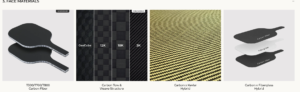
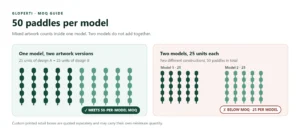
Put your specification revision at the top of the scorecard. Confirm that each quote covers the same face and core construction, finished thickness, weight tolerance, grip, artwork and pack contents. Record quantity per model and graphics split. Ask for separate minimums for paddles, printing and retail packaging. A quote for 300 paddles can still carry a 500-box packaging commitment.
Calculate the cost per paddle at the receiving point
Start with the paddle line total. Add packaging and any relevant sample, tooling, inspection, freight, duty, clearance and delivery costs that are outside the quoted price. Subtract only confirmed credits, and count each charge once. Put all amounts in the same currency and record the exchange-rate basis if conversion is needed. Keep uncertain charges marked as pending or identified estimates, and check the quote’s named delivery point and exclusions in writing. The OEM pickleball paddle manufacturing cost breakdown can help you identify missing line items.
First-order cost per paddle = total first-order cost to the receiving point ÷ number of paddles in the first order. If you must pay for extra custom cartons now, include that cash outlay in a first-order budget comparison. Track any leftover cartons separately for reorders.
Evaluate Pickleball Paddle Samples With the Same Method
Download the Gloperti pickleball paddle sample scorecard (Excel). Duplicate its scoring sheet for each sample or revision. Record the approved specifications, measured results and scores on a 0–5 scale. In the supplier comparison workbook, enter the sample ID and measured figures, then record the critical check status, open issues and evidence references under Evidence / follow-up. Apply the buyer’s agreed rubric to assign a separate 1–5 rating for Sample results. Use the same rubric and test scope for each supplier.
Set the sample rating before reviewing the results. For example, give a 3 when the sample meets the agreed specifications and workmanship baseline, a 4 when it also meets some of the buyer’s documented preferred targets, and a 5 when it meets all of those targets with supporting records. Define the preferred targets in advance. Give a 1 or 2 for shortfalls on scored preferences after mandatory requirements pass. Leave the supplier rating blank if the required evidence is still pending.
Use a sample that represents the quoted construction. Record its sample ID, the specification revision and any differences from the production configuration. If a supplier sends an unprinted stock sample, record which checks it supports and request a production-representative sample for the artwork and finish before final approval.
- Weight and dimensions. Weigh the finished paddle in the same condition, such as with its standard grip and without a cover. Measure finished thickness at the same locations and record the readings against the buyer’s tolerances.
- Workmanship. Inspect the face, edge guard, grip, butt cap and print alignment. Save photographs with the sample ID and record any correction the supplier agrees to make.
- Production evidence. Ask which approved sample and written specification production will follow. Request a sample inspection record or an anonymized lot report and agree how the factory will handle out-of-tolerance units. Use the OEM pickleball paddle inspection checklist to define the checks for bulk production.
Play-test under comparable conditions if handling or feel is part of the brief. In the sample workbook, applicable measurements require limits and actual readings. For a buyer-approved exclusion, select N/A in Applicability and document the reason. If the project allows skipping playtesting, mark the three Playtest rows N/A, enter a reason on each row and leave their scores blank. The workbook divides earned points by the remaining applicable points and scales the result to 100. If all three playtest items are excluded, 75 points remain applicable. Record player observations separately from measured tolerances. A single sample gives you one unit’s measurements. For a decision that depends on consistency, request several units and review lot-level production records.
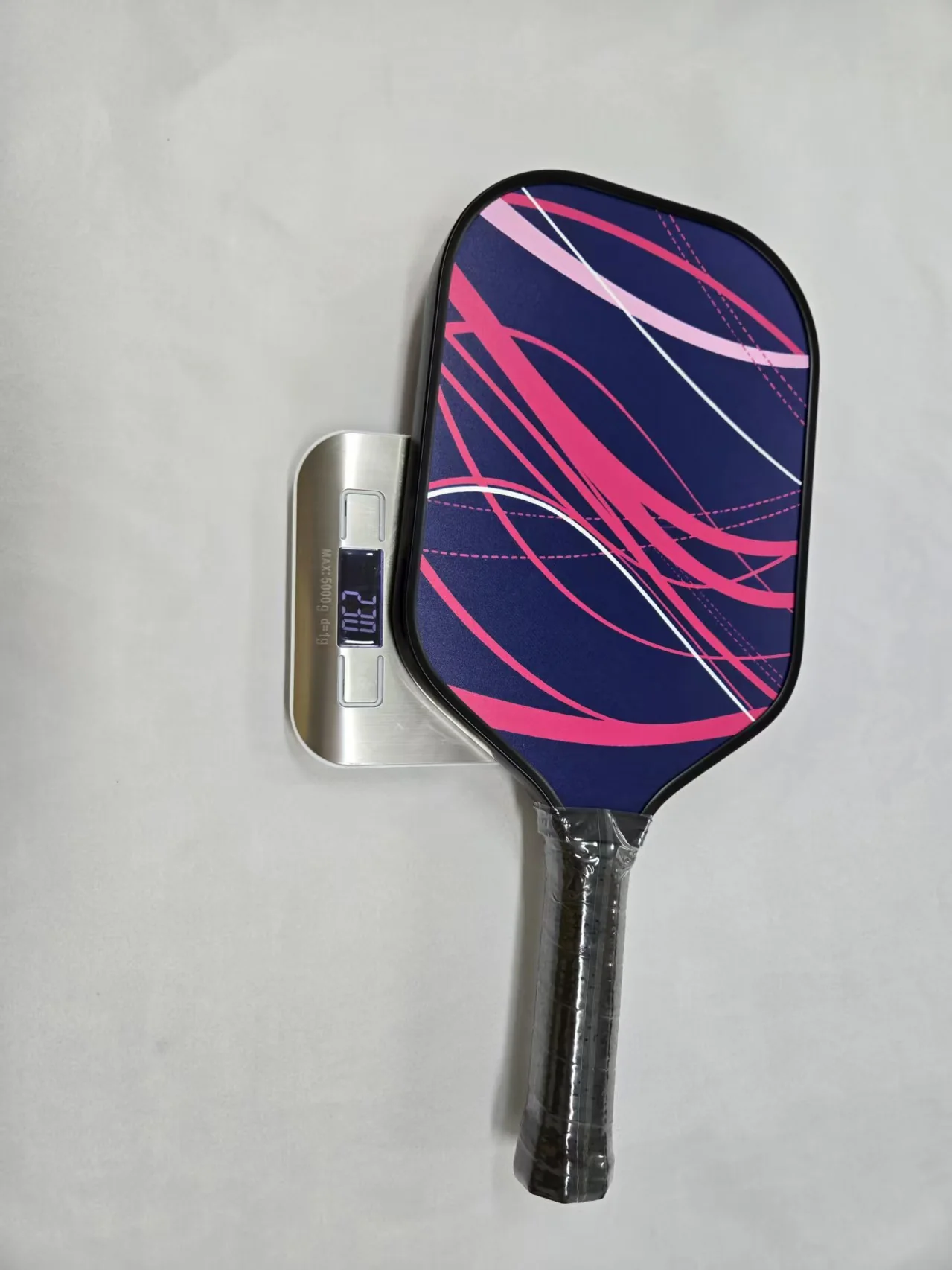
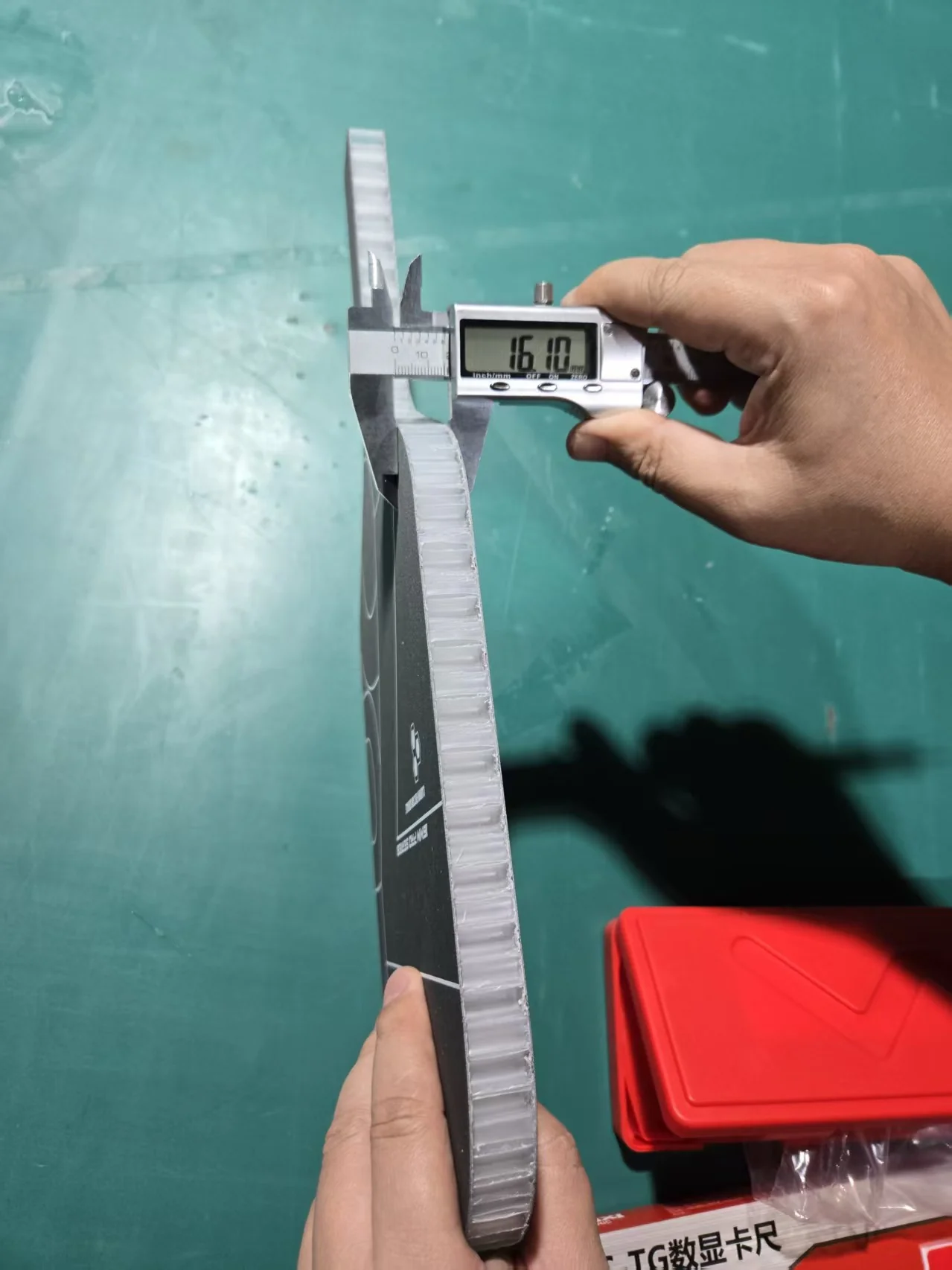
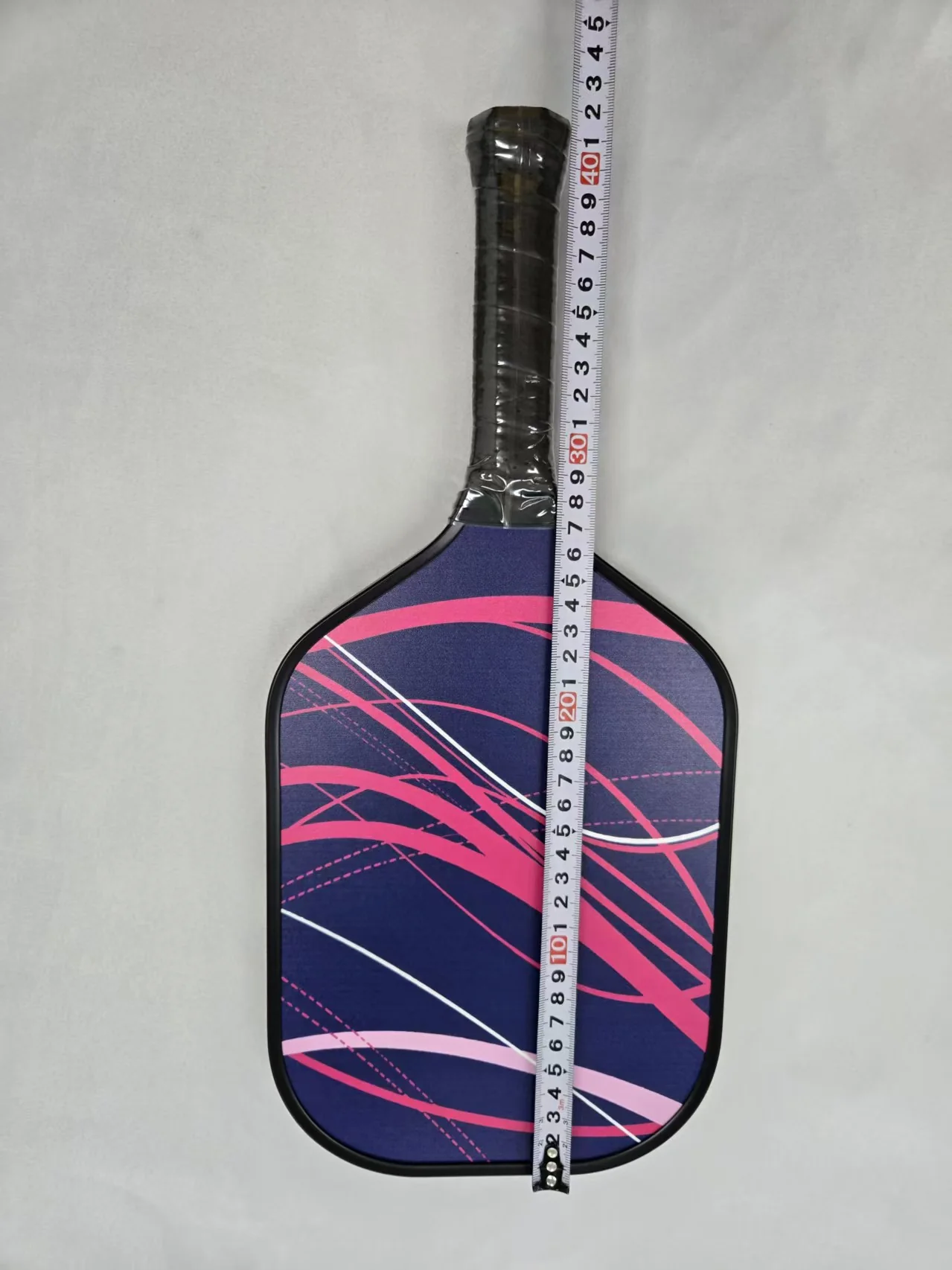
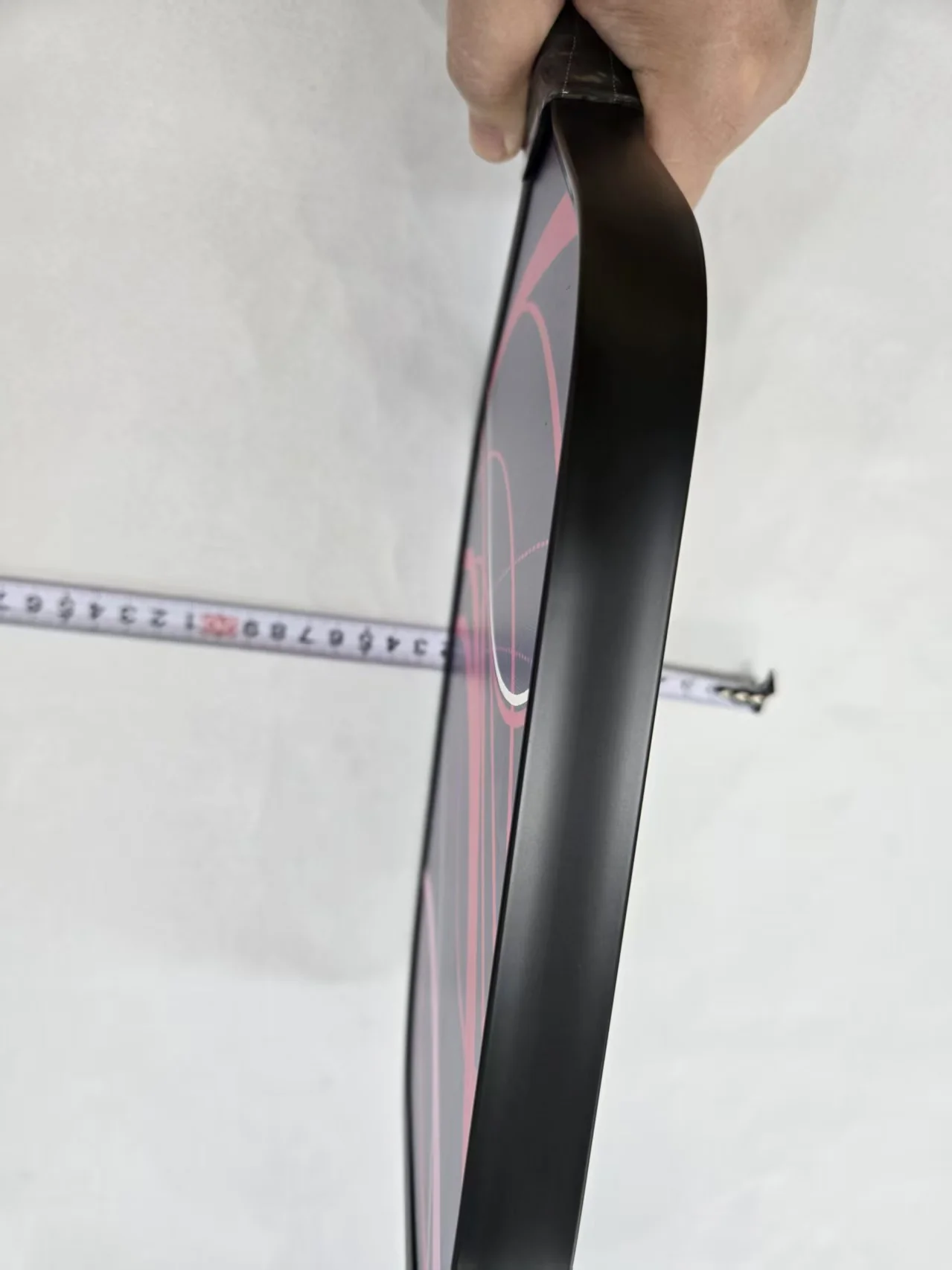
Gloperti Sample Inspection Record: NY-261114
Gloperti recorded a weight of 225 g and a thickness of 16.1 mm for sample NY-261114. Both recorded values meet the stated upper limits. This finding applies to the two measurements shown below. Final sample approval requires the remaining project checks.
| Check | Upper limit | Recorded value |
|---|---|---|
| Weight | 230 g | 225 g |
| Thickness | 16.5 mm | 16.1 mm |
Set Mandatory Requirements Before You Score
Write down the terms that must be met before you place the order. These can include sample tolerances, the maximum packaging commitment, the required receiving date, or documentation for the exact model when your project requires it. Record an overall status of Pass, Pending or Fail, with the supporting document or follow-up action. Resolve pending evidence before treating a supplier as eligible.
For eligible suppliers, score landed cost at 30%, sample results at 35%, delivery at 20% and production controls at 15%. These are editable starting weights. Agree weights and scoring rules before reading the totals. Use a 1–5 scale, where 1 means a marginal fit, 3 meets the baseline and 5 strongly fits the project with supporting evidence. Leave unverified ratings blank. Calculate weighted points as the rating divided by five, multiplied by the category weight in points. The four categories add up to a score out of 100.
Compare delivery from the same starting event through the same receiving point. Confirm whether the stated number of days includes approvals, production, inspection and transit, and identify any milestone that could move the delivery date.
Worked Example: Three Suppliers for a 300-Paddle OEM Order
Illustrative data. A brand needs 300 carbon-face, PP honeycomb paddles with individual retail boxes, delivered within 40 calendar days of sample and artwork approval. The finished paddle must weigh 225–235 g and measure 15.7–16.3 mm at the agreed inspection point. The brand can accept a 500-box commitment if the full cost fits its first-order budget. Figures below are hypothetical and in USD.
Swipe to see all four columns.
| Comparison item | Supplier A | Supplier B | Supplier C |
|---|---|---|---|
| Quoted paddle price | $8.00 | $8.40 | $8.15 |
| Paddle total (300) | $2,400 | $2,520 | $2,445 |
| Retail packaging commitment | 500 boxes × $0.60 = $300 | 300 boxes × $0.60 = $180 | 300 boxes × $0.60 = $180 |
| Remaining delivery and import costs | $540 | $570 | $555 |
| First-order cost | $3,240 | $3,270 | $3,180 |
| Cost per paddle | $10.80 | $10.90 | $10.60 |
| Sample ID / weight / thickness | A-01 / 233 g / 16.2 mm | B-01 / 230 g / 16.0 mm | C-01 / 229 g / 16.5 mm |
| Visual sample check | Pass | Pass | Pass |
| Days to receiving point | 39 | 32 | 35 |
| Mandatory checks | Pass | Pass | Fail — thickness |
| Weighted score | 73 / 100 | 88 / 100 | On hold for revised sample |
Delivery scoring rule. For this 40-calendar-day requirement, measure from sample and artwork approval to warehouse receipt. Give 3 points for 39–40 days, 4 points for 36–38 days and 5 points for 35 days or fewer. A proposal above 40 days fails the mandatory delivery requirement. A earns 3 and B earns 5. C meets the delivery target, but its thickness must pass before it can receive an overall score.
The buyer rates Supplier A 4 / 4 / 3 / 3 across cost, sample, delivery and controls. A’s price is lower than B’s, but the packaging minimum leaves 200 unused boxes. A’s sample passes close to the upper limits and A supplies a basic inspection checklist.
The buyer rates Supplier B 4 / 5 / 5 / 3. The sample is centered on the specified weight and thickness and the delivery estimate leaves eight days of buffer. B offers the same level of production control evidence as A. B costs $30 more on the first order, so the buyer advances B and asks for a dated schedule and a lot-level inspection record in writing before releasing the order.
Supplier C has the lowest estimated cost, but its sample is 0.2 mm above the upper thickness limit. The buyer requests a revised sample and keeps C on hold until the new sample meets the written tolerance.
What to Confirm Before Issuing the Purchase Order
Attach the accepted quote, the approved sample ID, the specification revision and the packaging artwork to the order. Ask the supplier to confirm the order quantity, box commitment, receiving timeline, inspection criteria and how verified defects will be handled. Give every unresolved item an owner and a due date.
If you are sourcing a custom or private-label paddle, request an itemized OEM pickleball paddle quote from Gloperti. Share your paddle specification, quantity by model, packaging requirements and delivery location so the quote can be compared with your other proposals on the same basis.