Custom Pickleball Paddle Manufacturer: The Complete OEM, ODM & Private Label Guide for Sports Brands
A practical guide to selecting a custom pickleball paddle manufacturer, developing OEM or ODM specifications, controlling quality and launching a private-label paddle line.
Focus Keyword: custom pickleball paddle manufacturer
Target Audience: Sports brands, distributors, wholesalers, ecommerce sellers, clubs and promotional buyers
Commercial Intent: OEM, ODM, private label and bulk manufacturing
Introduction
Launching a successful pickleball paddle line requires more than choosing an attractive graphic and placing a logo on a stock product. A dependable custom pickleball paddle manufacturer must translate a brand concept into a repeatable product specification, control raw materials, manage tooling and printing, verify performance, protect the paddles during shipping, and deliver consistent quality from the first sample to every production batch.
This guide is written for sporting-goods brands, distributors, wholesalers, Amazon sellers, clubs, promotional-product companies and startups that need OEM, ODM or private-label paddle production. It explains how to evaluate a factory, select materials and construction, define customization, control quality, calculate realistic costs and prepare a project that can move efficiently from idea to commercial launch.
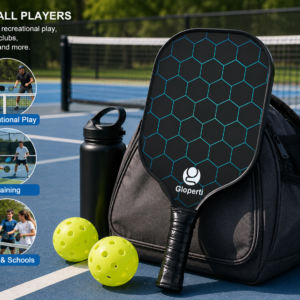
Gloperti supports custom paddle projects with logo printing, two-sided UV graphics, material and thickness options, packaging development and low-quantity production programs. The goal is not simply to make a paddle that looks different. The goal is to create a product that fits a defined player, price point, sales channel and brand promise.
What Does a Custom Pickleball Paddle Manufacturer Do?
A professional manufacturer coordinates product engineering, material sourcing, lamination, core preparation, cutting, edge protection, handle assembly, surface finishing, graphic application, grip installation, inspection and packaging. Some suppliers only decorate finished stock paddles. A true OEM partner can control the underlying specification and reproduce it reliably.
The manufacturing model normally falls into three categories. Private label uses an existing factory model with the buyer’s logo and packaging. OEM production uses the buyer’s specifications, artwork or construction requirements. ODM production starts with a market objective and allows the factory to propose the shape, materials, structure and visual design. Many commercial projects combine all three approaches.
For a new brand, a proven platform with selected changes is often the fastest route. For an established brand, a more exclusive shape, layup, surface texture or handle system may be worth the additional development time and tooling cost.
Why Brands Choose Custom and Private-Label Paddles
Custom paddles allow a company to compete on more than price. A brand can define a recognizable visual identity, create models for specific player groups, coordinate accessories and packaging, and build a product family with clear performance tiers.
A personalized pickleball paddle manufacturer can produce paddles for retail brands, clubs, tournaments, schools, corporate programs and promotional campaigns. Personalization may include logos, player names, event dates, team colors, custom patterns, serial numbers or packaging inserts.
Private-label production also improves margin control. Instead of reselling a widely available product, the buyer owns the presentation, positions the model for its target customer and can create bundles with balls, covers, bags, replacement grips or edge tape.
Core Materials and Paddle Construction
The paddle face, core, thickness, shape, handle and edge system work together. Changing one component can affect power, control, spin, feel, durability and manufacturing cost. A qualified custom pickleball paddle manufacturer should explain these trade-offs before sampling begins.
Polypropylene honeycomb is widely used because it offers a useful balance of impact feel, weight, consistency and durability. Core cell size, density and bonding quality matter as much as the material name. Poor lamination or uneven adhesive can cause dead spots, delamination or inconsistent sound.
Common face options include fiberglass, graphite and carbon fiber. Fiberglass can provide lively rebound and accessible pricing. Graphite is light and responsive. Carbon fiber is selected for stiffness, durability, premium appearance and spin-oriented surface options. T300, T700, 3K, 12K and 18K descriptions refer to different carbon formats or grades, but the complete layup and resin system determine real performance.
A pickleball paddle carbon fiber manufacturer should be able to document the selected surface, backing layers, resin, curing process and texture method. Marketing labels alone are not enough. Buyers should compare approved samples using the same ball, court conditions and test method.
Choosing 10 mm, 13 mm, 14 mm or 16 mm Thickness
Thin cores are generally selected for speed, direct feedback and a more power-oriented response. Thicker cores are commonly chosen for control, stability, vibration management and a more forgiving sweet spot. The ideal choice depends on player level, paddle shape, swing weight and face construction.
A 10 mm or 13 mm paddle may suit fast hands and aggressive play. Fourteen millimeters often provides a balanced middle position. Sixteen millimeters is popular for control-focused designs and can support a softer, more stable feel. These are tendencies rather than guarantees because layup, perimeter weighting and thermoforming can change the result.
For a product line, it can be commercially useful to offer a power model and a control model using related graphics. This gives retailers and customers a simple comparison and increases the chance of repeat purchases within the same brand.
Paddle Shapes, Handles and Player Fit
Standard, widebody, elongated and hybrid shapes serve different playing priorities. Widebody paddles tend to emphasize forgiveness. Elongated paddles can extend reach and support leverage, but they may increase swing weight. Hybrid shapes aim to balance reach, sweet-spot width and maneuverability.
Handle length and grip circumference should match the target player. A longer handle supports two-handed backhands. A compact handle can improve comfort for juniors or players with smaller hands. Large-grip models may be appropriate for buyers serving players who prefer a fuller handle.
Your specification should define total length, maximum width, handle length, grip circumference, static weight, balance point and acceptable tolerances. A factory drawing should be approved before artwork is finalized, because even small outline changes can affect print positioning.
Customization Options for a Commercial Paddle Line
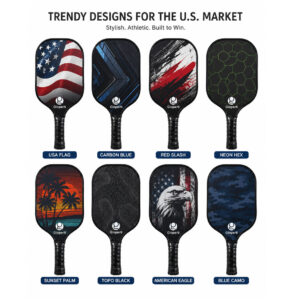
The most visible customization is the graphic. Two-sided UV printing supports detailed colors, gradients and brand artwork. Screen printing, water-transfer decoration and other methods may be used for specific effects or quantities. The factory should provide an artwork template with bleed, safe zones, handle alignment and edge-clearance guidance.
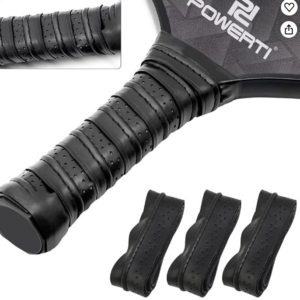
Beyond graphics, brands may customize face material, core thickness, shape, edge-guard color, grip color, grip texture, end cap, handle length, weight range, packaging, barcode labels, manuals and included accessories. Some projects also add serialized labels, QR codes, hangtags or inspection cards.
A custom pickleball paddle manufacturer should separate cosmetic options from structural options in the quotation. Cosmetic changes are usually faster and less expensive. Structural changes can require engineering review, testing, dedicated tooling and higher minimum quantities.
Thermoformed vs Traditional Construction
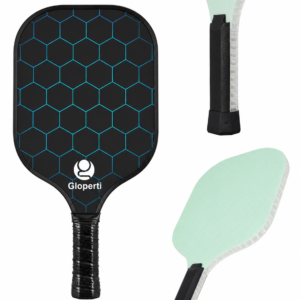
Traditional sandwich construction bonds the face layers to the core and finishes the perimeter with an edge guard. Thermoformed designs typically use heat and pressure to create a more integrated structure, often with perimeter foam or reinforced edges. This can increase stiffness, stability and power, but it also demands careful process control.
Thermoforming is not automatically superior for every customer. A beginner-oriented control paddle may not need the same construction as a high-performance power model. The decision should be based on target feel, durability requirements, retail price and test results rather than trend language.
Ask the manufacturer how temperature, pressure, curing time, adhesive distribution and post-curing inspection are controlled. Consistency is critical because a high-performing sample has little value if mass production varies from batch to batch.
Sampling and Product Development Workflow
A clear development workflow reduces delays. Begin with a written brief that identifies the target player, expected retail price, sales market, preferred shape, thickness, face material, weight, visual direction, packaging and required testing.
The factory then prepares a proposal, specification sheet and quotation. After the commercial direction is accepted, the buyer supplies vector artwork or approves factory design support. A digital mockup should be reviewed before a physical sample is made.
The sample should be checked for dimensions, weight, balance, grip, printing, edge fit, surface finish, sound, feel and packaging. Feedback should be specific and measurable. Instead of saying that a paddle feels heavy, state the measured weight and preferred range. Approved samples should be signed, photographed and retained as production references.
Gloperti commonly supports free visual mockups before production and can provide sample development for approved projects. Keeping artwork, specifications and approval comments in one controlled file prevents confusion between versions.
MOQ, Pricing and Cost Drivers
Minimum order quantity depends on the level of customization. A stock platform with a custom logo can usually support a lower MOQ than a new mold, exclusive structure or specialized material. Gloperti can support selected custom paddle programs from approximately 50 pieces, subject to model and packaging requirements.
Important cost drivers include face material, core thickness, thermoforming, carbon layup, texture, edge construction, grip, printing method, packaging, testing, tooling, order quantity and shipping method. A low unit price may exclude packaging, logo setup, sample charges or inspection.
Request an itemized quotation that states the Incoterm, unit price, packaging, tooling, sample cost, lead time, payment terms, carton data and validity period. This makes supplier comparisons more accurate and prevents unpleasant surprises after artwork approval.
Quality Control for Pickleball Paddle Manufacturing
Quality control should begin before production, not after the goods are finished. Raw materials should be verified against the approved specification. Core sheets, face materials, adhesives, grips and packaging components must be consistent with the sample.
During production, the manufacturer should monitor cutting accuracy, lamination, curing, edge bonding, handle assembly, print alignment and grip installation. Finished paddles should be checked for appearance, dimensions, static weight, balance, flatness, edge security, handle stability, surface defects and packaging accuracy.
A practical inspection plan defines the sample size, acceptable quality limit, critical defects and measurement tolerances. Critical defects may include loose handles, sharp edges, severe delamination, incorrect branding or structural failure. Major defects may include visible print misalignment or weight outside the approved range.
For large orders, a pre-shipment inspection can verify quantity, carton markings, assortment, barcode scanning and random paddle tests before the balance is released.
Compliance, Testing and Market Claims
Compliance requirements depend on the target market and sales channel. Tournament-oriented products may need to satisfy the applicable governing body’s equipment rules and approval process. Approval should never be implied unless the exact model has completed the required process.
Material safety, packaging labels, country-of-origin marking, chemical requirements and retailer documentation may also apply. Buyers should tell the manufacturer where the product will be sold and whether it is intended for tournament, recreational, junior, promotional or institutional use.
Performance claims should be supportable. Avoid promising a specific spin rate, power increase or professional approval unless it has been tested and documented. Accurate product descriptions build trust and reduce returns.
Custom Paddle Covers, Bags and Retail Packaging
A complete paddle program often includes a protective cover. A pickleball paddle cover manufacturer can provide neoprene sleeves, zippered covers, Oxford-cloth bags, PVC packaging and custom printed cases. The cover should fit the approved paddle outline and allow enough clearance for the edge guard.
Packaging can include color boxes, kraft boxes, drawstring bags, header cards, barcode labels, instruction cards and master cartons. Ecommerce packaging should be designed to resist compression and surface damage. Retail packaging should communicate material, thickness, weight range, included accessories and brand story clearly.
Bundling paddles with balls or accessories can increase perceived value, but every component should be tested inside the final package. The carton size and gross weight affect freight cost, so packaging should be developed early rather than treated as an afterthought.
How to Evaluate a Pickleball Paddle Manufacturer in China
China has a mature supply chain for composite sporting goods, printing, grips, covers and packaging. A pickleball paddle manufacturer China buyers select should demonstrate process knowledge, clear documentation, realistic lead times and responsive communication.
Ask whether the company is a direct factory, trading company or hybrid supplier. Request production photos, process descriptions, sample records and quality documents. Evaluate how the supplier handles technical questions. A reliable partner will clarify uncertain specifications instead of simply agreeing to everything.
Also review export experience, packaging capability, communication speed, confidentiality practices, change-control procedures and willingness to document approved standards. The best pickleball paddle manufacturers China can offer are not necessarily the cheapest; they are the suppliers that reduce risk and protect product consistency.
Questions to Ask Before Placing an Order
Before paying a deposit, confirm the exact face material, core, thickness, shape, dimensions, handle length, grip circumference, target weight, tolerance, balance, printing method, edge color, packaging, carton quantity and inspection standard.
Ask who owns the artwork and tooling, whether the factory will use substitute materials, how changes are approved, how defective goods are handled, and whether the production sample will be retained. Confirm the production lead time begins only after artwork, sample and payment approval.
You should also ask for the export packing list format, carton markings, HS-code recommendation, shipping dimensions and available Incoterms. Commercial details matter just as much as paddle performance.
Why Work With Gloperti
Gloperti, operated by Xiamen ShiPinTengYue Sports Co., Ltd., supplies custom sports products for brands, distributors, ecommerce sellers and promotional buyers. The team supports custom carbon-fiber and fiberglass pickleball paddles, two-sided UV printing, logo application, private-label packaging and coordinated accessories.
Available development options include 10 mm, 13 mm, 14 mm and 16 mm structures, standard or elongated formats, custom grip and edge colors, visual mockups and selected low-MOQ programs. The exact specification is confirmed according to the buyer’s target market and project requirements.
To discuss a new paddle line, prepare your logo, preferred shape, material, thickness, quantity and packaging idea. Visit Gloperti Custom Pickleball Racket Manufacturing to request a quotation and product proposal.
Conclusion
Choosing the right custom pickleball paddle manufacturer is a product-development decision, not merely a purchasing decision. The supplier must understand materials, construction, graphics, tolerances, testing, packaging and international delivery.
The strongest projects begin with a clear customer profile and measurable specification. They move through controlled sampling, written approval and structured quality inspection. This approach produces a paddle that is easier to market, easier to reorder and more likely to earn customer trust.
Whether you need a personalized promotional paddle, a carbon-fiber retail model or a complete private-label range, focus on repeatable quality and transparent communication. A reliable manufacturer should help turn your brand idea into a commercial product that performs consistently and arrives ready for sale.
Frequently Asked Questions
What is the typical MOQ for custom pickleball paddles?
MOQ depends on the construction and customization. Selected Gloperti private-label programs can begin at approximately 50 pieces, while exclusive structures, molds or specialized materials may require higher quantities.
Can I print a different design on each side of the paddle?
Yes. Two-sided UV printing can support different front and back artwork, subject to the approved template, color requirements and production method.
Which face material is best for a private-label paddle?
Fiberglass is often used for lively response and accessible pricing, while graphite and carbon fiber support lightweight or premium performance positioning. The best choice depends on the target player and price point.
Can a manufacturer make 13 mm and 16 mm versions of the same design?
Yes. Many brands create related power and control models using the same visual identity. Each thickness should be sampled because core and layup changes can alter weight, balance and feel.
Do custom paddles include packaging?
Packaging can be included and customized. Options include covers, drawstring bags, color boxes, kraft boxes, header cards, labels, manuals and ecommerce-ready cartons.
How long does custom paddle production take?
Lead time depends on artwork, sampling, materials, quantity and packaging. The production schedule should be confirmed after the final sample, specification and artwork are approved.
Can custom paddles be made for juniors or players with small hands?
Yes. The outline, weight, handle length and grip circumference can be selected for juniors or players who prefer smaller grips, subject to tooling and minimum-order requirements.
Can the factory guarantee tournament approval?
A factory can manufacture to the applicable dimensional and material requirements, but formal approval belongs to the specific submitted model and the governing organization's process. Approval should not be claimed before it is granted.
Start Your Custom Pickleball Paddle Project
Send Gloperti your logo, target material, thickness, quantity and packaging idea for an OEM or private-label proposal.
Ready to Source the Right Paddle?
Whether you need OEM/ODM manufacturing, wholesale pricing, or a custom branded paddle – we’re here to help. Get a free quote within 24 hours.