
Elongated Pickleball Paddle Manufacturer
Choosing an elongated pickleball paddle manufacturer requires more than extending a standard outline. Overall length, face width, handle length, static weight, swing weight, balance and twist stability must work together for the intended player.
Gloperti develops OEM, ODM and private-label elongated paddles using fiberglass, graphite, T700 raw carbon, woven carbon and thermoformed constructions. Available core directions include 13mm, 14mm and 16mm, with custom handles, grips, surface finishes, graphics and packaging.
Our buyer-focused workflow controls geometry, handle connection, core condition, target weight range and batch consistency from sample through shipment.
- Custom overall length, face width and handle-length options
- 13mm, 14mm and 16mm elongated paddle constructions
- Fiberglass, graphite, T700 and woven-carbon face materials
- Laminated, thermoformed and optional foam-perimeter structures
Length / Width / Handle
Weight / Balance / Swing
Sweet Spot / Twist / Neck
Cover / Support / Carton
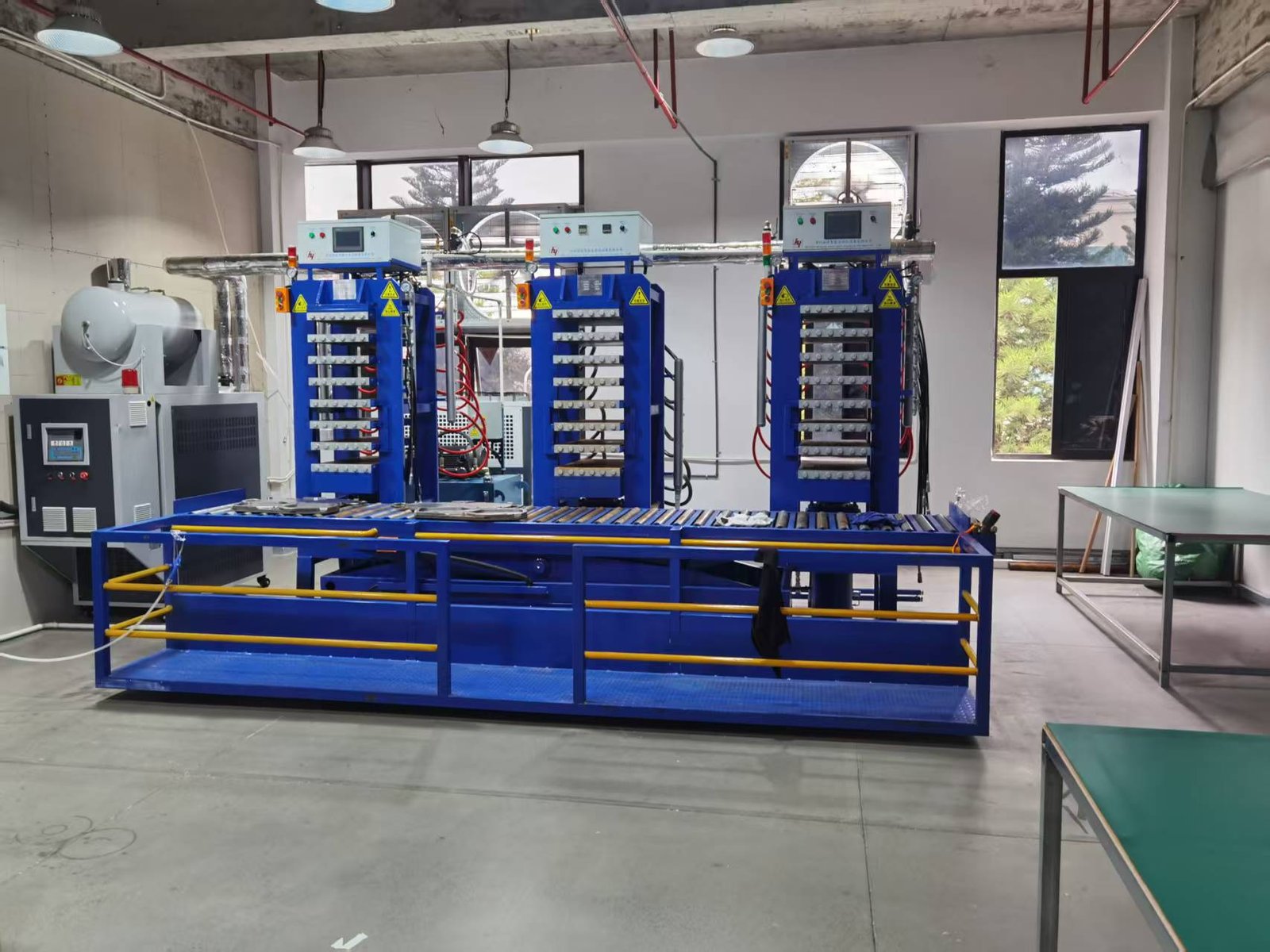
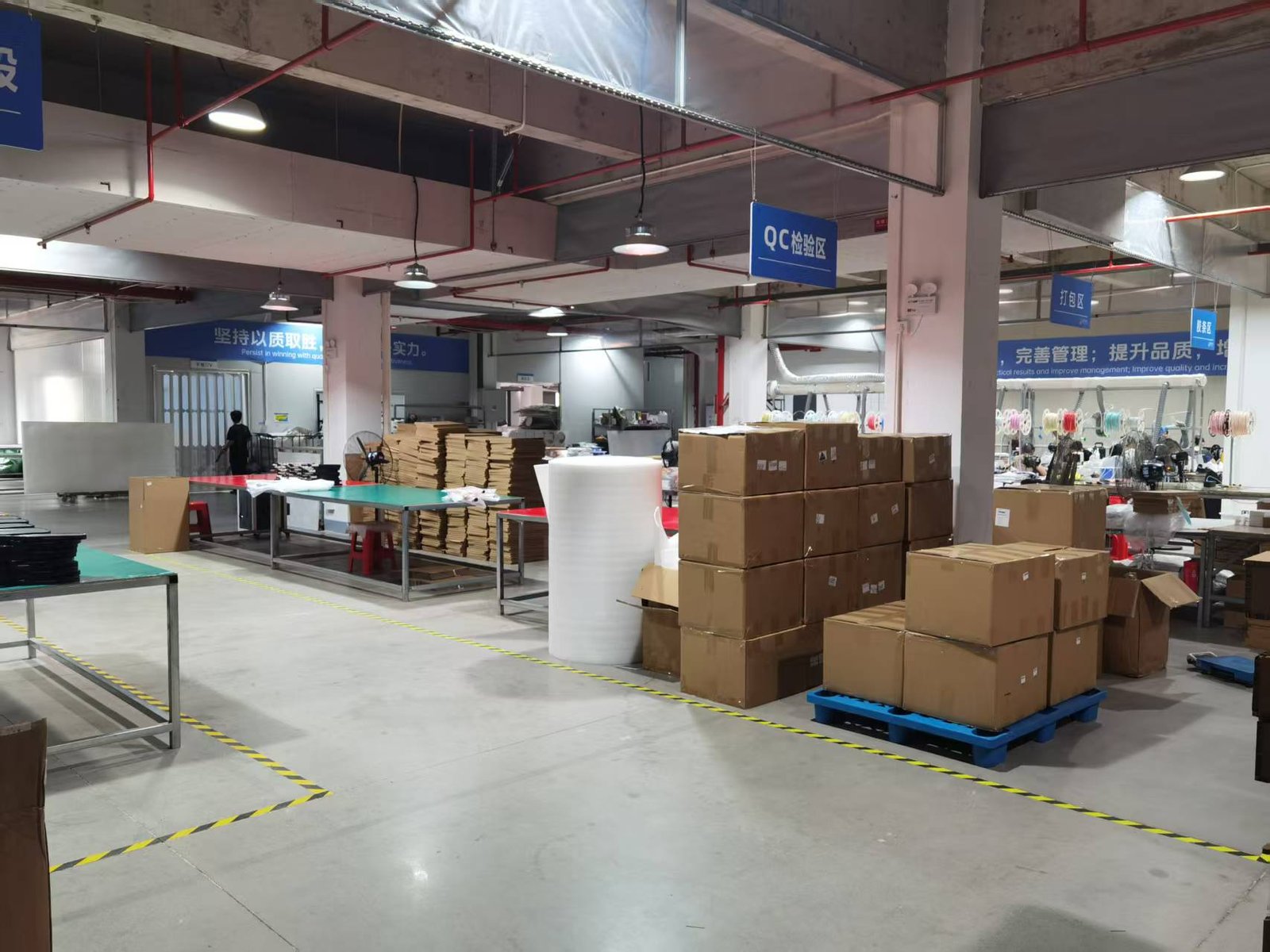
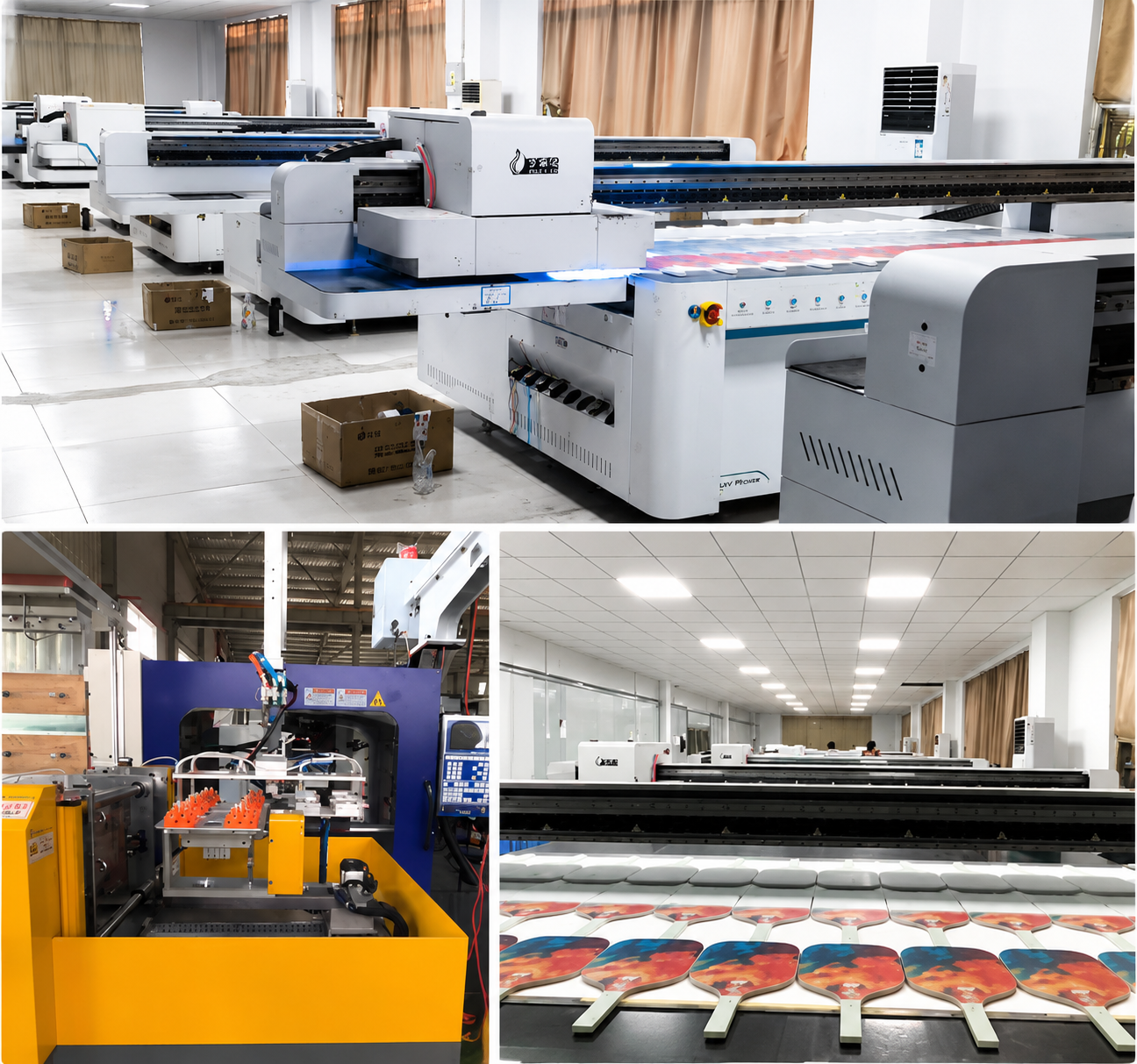
Extra Reach Must Be Balanced with Speed, Stability and Buyer Control
The first purchasing risk is dimensions. An elongated paddle may add reach and leverage, but overall length, width and combined dimensional limits must be checked against the buyer’s target market and current governing-body rules.
The second risk is confusing static weight with maneuverability. Two paddles can weigh the same while the more head-heavy design swings slower. Buyers should evaluate balance and swing-weight direction, not only total grams.
The third risk is reduced forgiveness. A longer, narrower face may concentrate the effective hitting area. Shape, core, perimeter and face layup should support the desired sweet spot and off-center stability.
- Geometry and rule-target review before tooling or production
- Static weight, balance and swing-weight direction evaluation
- Long-handle, neck, edge and face-assembly inspection
- Correctly sized covers, boxes and export cartons
Each capability below addresses a technical or commercial concern unique to elongated-paddle procurement.
Are the Dimensions Legal?
Confirm overall length, face width, handle length and combined dimensional requirements for the intended rule set.
Is Swing Weight Too High?
Control material distribution and head balance so added reach does not create slow hands or excessive player fatigue.
Is the Sweet Spot Forgiving?
Use face width, core, perimeter and layup choices to balance power leverage with off-center forgiveness.
Can the Long Handle Stay Strong?
Reinforce the neck, handle insert, bonding and grip assembly for long handles and two-handed backhand use.
Is Twist Stability Controlled?
Consider face width, perimeter mass and layup when targeting stable response on off-center contact.
Will the Longer Paddle Ship Safely?
Use correctly sized covers, boxes, supports and cartons to prevent bending, edge impacts and loose movement.
Elongated Paddle Geometry & Procurement Risk Matrix
Connect elongated geometry to player benefit, measurable production controls and the buyer risk addressed.
| Buyer Decision | Elongated Options | Risk Controlled |
|---|---|---|
| Geometry | Overall length, face width, handle and outline | Rule and tooling mismatch |
| Core & Face | 13–16mm; fiberglass, graphite and carbon | Player and price mismatch |
| Mass Distribution | Target weight, balance and swing direction | Slow hands and player fatigue |
| Structure | Laminated, thermoformed, foam, long-handle support | Neck, handle and bonding complaints |
| Packaging | Long cover, fitted support, divider and export carton | Bending and transit damage |
A Controlled Elongated Paddle Development Process
Six stages align rule targets, geometry, sample testing, production, inspection and long-format packaging.
Define Player and Rule Set
We confirm target player, market rules, reach, power or control direction, dimensions, quantity, price and claims.
Engineer Geometry and Balance
The released design defines outline, length, width, handle, core, face, target weight and balance direction.
Core, Face and Handle Control
Approved faces, cores, foam, handle components, edges and grips are prepared for the elongated build.
Molding and Dimensional Control
Lamination or thermoforming controls outline, alignment, cure, neck transition, cutting and surface finish.
Swing, Structure and QC
QC checks dimensions, target weight, balance direction, handle assembly, face, edge, print and packaging.
Long-Format Packing and Delivery
Long paddles are supported, protected and packed to reduce bending, impact and movement during export delivery.
Build an Elongated Range Around a Clear Player Benefit
An elongated product range can target different players. A 13mm elongated model may emphasize direct response, hand speed and power. A 14mm hybrid-elongated design can balance reach and all-court play. A 16mm raw-carbon elongated paddle may target control, stability and two-handed backhands.
Thermoforming and perimeter foam can change power and stability but may raise swing weight. A long handle adds leverage and space for two hands but reduces available face area within the total length. Buyers should evaluate these trade-offs using representative samples.
Product claims should match verified construction and player testing. “Elongated” should not be presented as an automatic guarantee of more power, a larger sweet spot or tournament approval.
- Overall length, width, outline and neck-transition definition
- Handle length, grip circumference and two-handed space
- Face, core thickness, perimeter and surface treatment
- Target static weight range and balance direction
- Artwork, model identity, edge, grip and end-cap options
- Inspection plan, cover, box, support and export packing
Designed for elongated-paddle buyers
Develop distinct power and control models.
Control geometry and model consistency.
Present verified dimensions and player benefits.
Coordinate shape, artwork and long packaging.
How Gloperti Addresses Elongated Paddle Buyer Concerns
Our process emphasizes dimensional clarity, balanced mass distribution, handle strength and repeatable elongated geometry.
Pilot Before Scale
Selected elongated projects can begin around 50 pieces, supporting player evaluation before larger production.
Test Reach and Hand Speed
Test reach, swing speed, balance, sweet spot, two-handed grip space and package fit using the real construction.
Inspect Geometry and Balance
Five QC staff support material, process and finished checks against the released elongated specification.
Elongated Paddle Options for Power, Control and All-Court Play
Elongated programs may include fiberglass power paddles, graphite all-court models, T700 raw-carbon control paddles, thermoformed power constructions, foam-enhanced perimeters, 13mm fast-response models and 16mm long-handle paddles.
Geometry should be documented with overall length, maximum width, outline reference, handle length, grip circumference, neck transition and edge profile. Tooling and cutting consistency influence how the final model looks and how packaging fits.
Weight planning includes both static weight and mass location. Face layup, foam, edge guard, handle insert, grip and end cap can shift balance. Buyers can approve a target range and evaluate representative production samples rather than relying on one selected prototype.
Related solutions include long-handle pickleball paddles, narrow-face paddles, elongated carbon paddles, elongated thermoformed paddles, two-handed backhand paddles and private-label power-paddle collections.
Elongated Pickleball Paddle Manufacturer FAQ
Direct answers about dimensions, rule compliance, swing weight, sweet spot, handle strength, thermoforming, MOQ and packing.
Ready to Develop an Elongated Paddle Without Guessing the Balance?
Send your target player, overall dimensions, handle length, face, core, weight and balance goals, quantity and packaging. We will prepare an elongated paddle proposal.