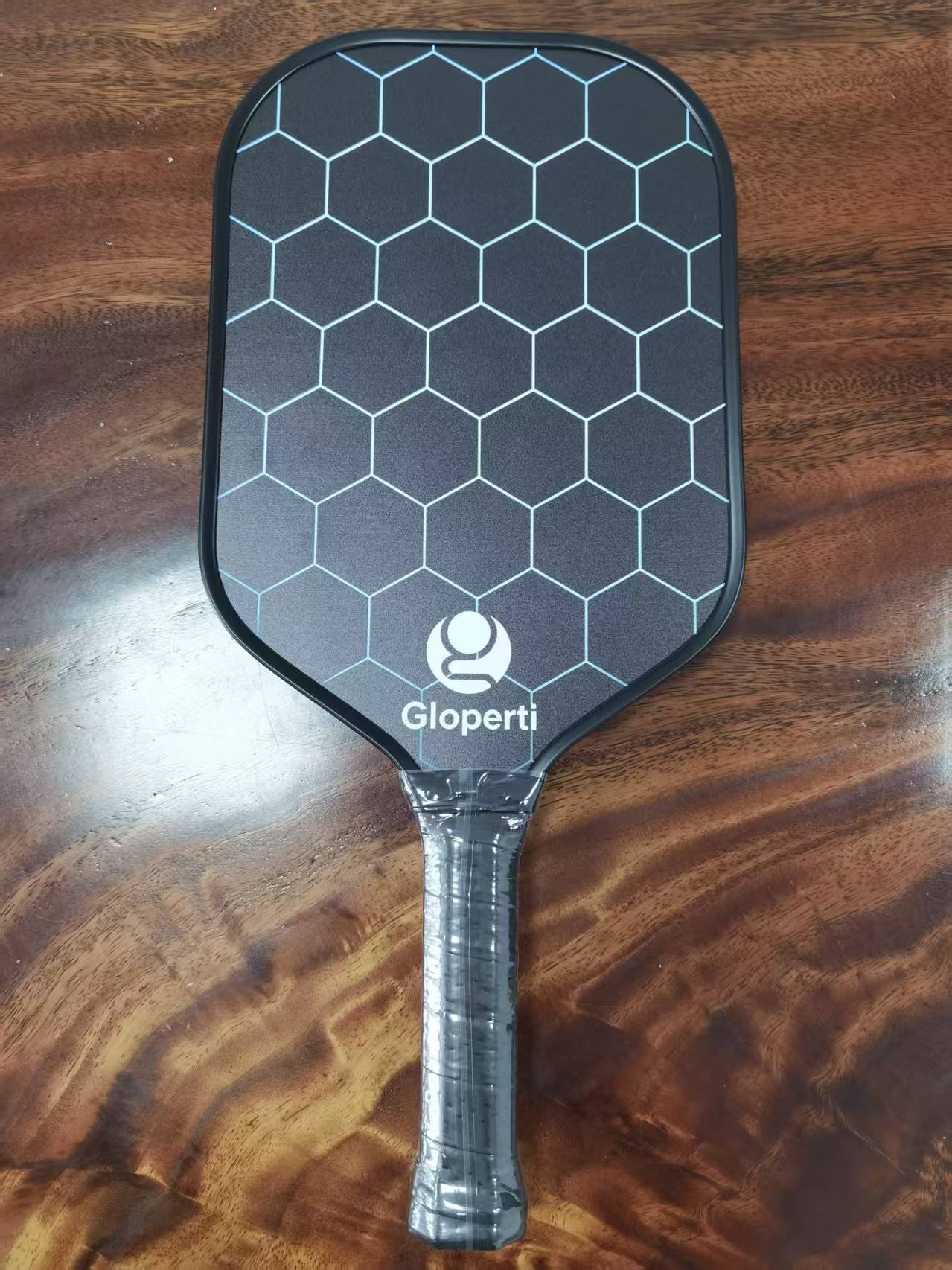
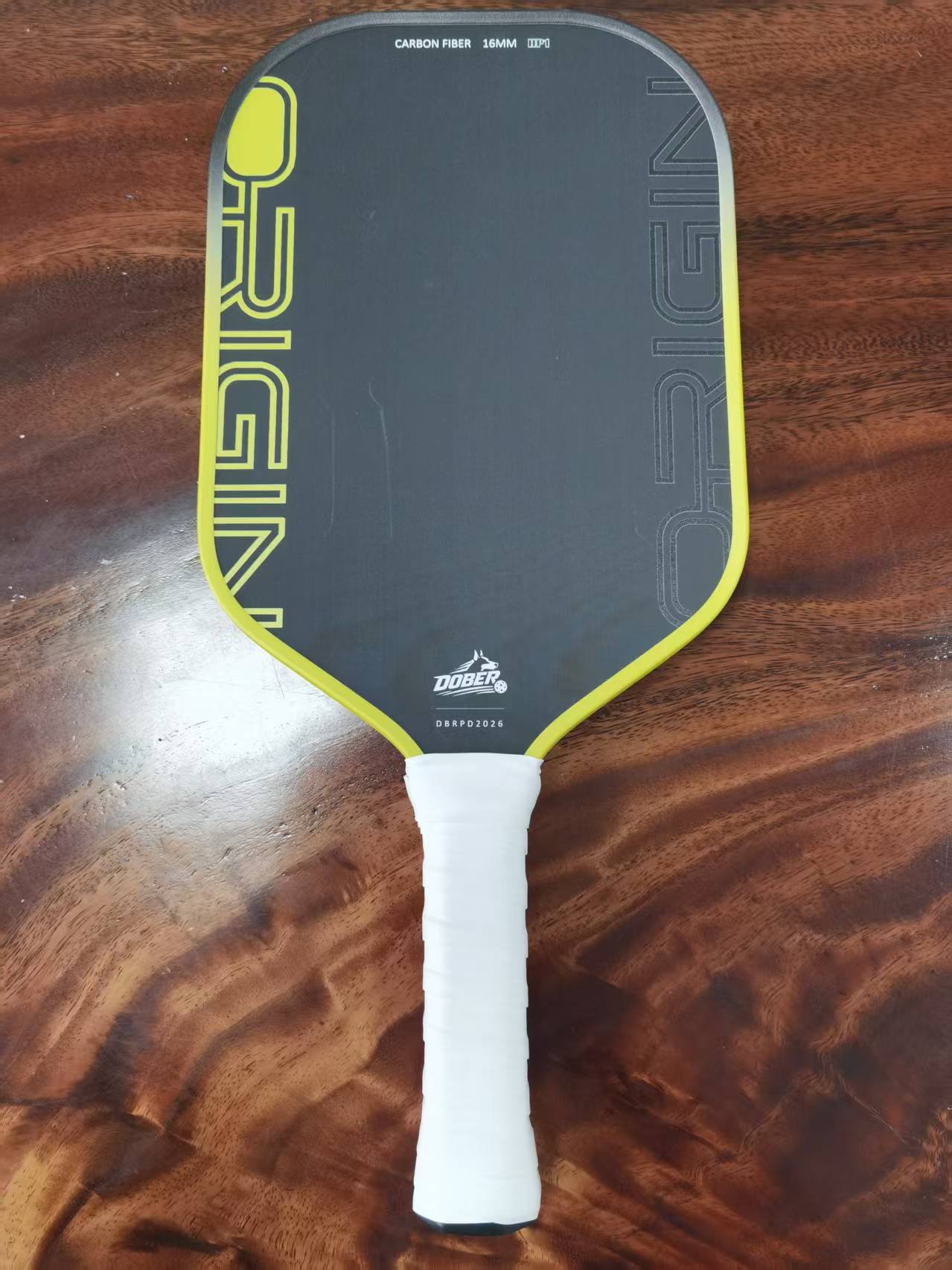
Fiberglass Pickleball Paddle Supplier: Complete Guide to Fiberglass, Graphite, T700 and 18K Spin Paddles
Focus Keyword: fiberglass pickleball paddle supplier
Last updated: July 13, 2026
Table of Contents
- Introduction
- Why Fiberglass Paddles Remain Important
- Fiberglass, Graphite, T700 and 18K Compared
- How Paddle Construction Affects Performance
- Rose Gold and Lifestyle Paddle Programs
- OEM and ODM Customization
- Supplier Evaluation Checklist
- Quality Control and Testing
- Packaging, Logistics and Commercial Planning
- Working With a China-Based Supplier
- Step-by-Step Sample Development Process
- Why Buyers Choose Gloperti
- Conclusion
Introduction
Sourcing pickleball paddles is no longer a simple matter of choosing a shape and adding a logo. Buyers now compare surface materials, core construction, thickness, swing weight, spin potential, handle geometry, printing durability, packaging, compliance documentation and production reliability. A professional fiberglass pickleball paddle supplier must therefore combine manufacturing knowledge with product-development support.
Fiberglass remains one of the most useful paddle-face materials for entry-level, recreational and value-focused product lines. It offers lively rebound, attractive printing results and a familiar feel for a wide range of players. At the same time, many importers want one supplier that can also provide graphite, T700 raw carbon fiber, 18K woven carbon and lightweight paddle options. Consolidating these categories with a capable OEM or ODM partner can simplify sampling, quality control and logistics.
This guide explains how global brands, distributors, clubs, promotional-product companies and online sellers can evaluate a fiberglass pickleball paddles supplier. It also compares fiberglass with graphite and carbon-fiber constructions, reviews customization options and presents a practical supplier-selection checklist for commercial buyers.
Why Fiberglass Paddles Remain Important
Fiberglass is frequently selected for recreational paddles because it produces a responsive impact and supports colorful surface graphics. The material is made from fine glass filaments woven into fabric and combined with resin. When laminated over a polypropylene honeycomb core, the resulting face can feel energetic without making the product prohibitively expensive.
A reliable glass fiber pickleball paddle supplier can tune the paddle by changing face thickness, resin content, core density, core thickness, edge-guard structure and overall balance. These variables matter because two paddles described as “fiberglass” may perform very differently. One may be soft and forgiving, while another may feel firmer and more powerful.
For private-label programs, fiberglass is especially attractive because UV printing, screen printing and graphic overlays can create bright designs. This makes it suitable for lifestyle collections, youth products, starter sets, club merchandise and gift-oriented programs. Buyers can also coordinate paddle graphics with bags, covers, balls and retail packaging to create a complete branded set.
Fiberglass, Graphite, T700 and 18K Compared
A professional supplier should explain material differences in commercial terms rather than simply listing technical names.
Fiberglass paddles usually provide accessible power and a lively response. They are often selected for beginner-to-intermediate ranges, family sets and price-sensitive channels. Graphite paddles use a thin, stiff face that can provide a crisp feel and good control. A graphite pickleball paddles supplier may offer graphite-sheet constructions for buyers seeking a traditional lightweight paddle with a clean appearance.
T700 raw carbon fiber has become popular because the textured surface can support spin and controlled ball placement. A high quality T700 elongated pickleball paddle supplier can combine an elongated outline with a longer handle, making the product attractive to players who want extra reach and two-handed backhand space. The key is not merely using T700 material, but controlling peel ply texture, resin consistency, bonding and final surface finish.
An 18K carbon face uses a visually distinctive woven pattern. Depending on construction, it can provide a firm, premium feel and strong retail presentation. A high quality 18K spin pickleball paddle supplier should be able to document the face material, explain the texture process and provide measurable samples rather than relying on decorative carbon-look printing.
The right choice depends on target price, player profile, desired feel and brand positioning. Many successful product lines use fiberglass for the opening price point, graphite for a light control-oriented model, T700 for performance players and 18K for a premium visual story.
How Paddle Construction Affects Performance
Surface material is only one part of the paddle. The core commonly uses polypropylene honeycomb because it balances weight, durability and impact feel. Core thickness often ranges from approximately 10 mm to 16 mm, with thinner constructions tending to feel quicker and firmer, while thicker constructions generally offer a softer response and larger margin for control.
Shape also changes performance. Standard shapes are easy to handle and provide a broad hitting area. Elongated shapes increase reach and can support aggressive baseline play, although balance and sweet-spot placement must be carefully engineered. Wide-body shapes emphasize forgiveness and are popular for beginner products.
Handle length, grip circumference and grip build influence comfort. A factory should define finished grip size, not only the raw handle dimensions. Foam, pallet structure, end cap, overgrip tension and edge finishing can all change the final feel.
Weight specifications should include both target weight and acceptable tolerance. A paddle listed at 230 grams is not truly consistent if production pieces vary widely. Commercial buyers should request a tolerance standard, balance-point range and inspection method. Lightweight pickleball paddles suppliers should pay particular attention to head weight, because a light total weight can still feel slow when too much mass sits near the top of the paddle.
Rose Gold and Lifestyle Paddle Programs
The phrase ffg rose gold pickleball paddle supply, sometimes written as ffg-rose gold pickleball paddle supply, reflects demand for visually distinctive lifestyle paddles. Rose gold can be created through metallic ink, foil effects, gradient printing, decorative film or coordinated edge-guard and grip colors.
For a successful rose-gold collection, the supplier should provide color proofs and physical samples because metallic colors can look different on screen, under factory lighting and in outdoor photography. The buyer should specify whether the desired finish is glossy, satin, matte or metallic. Packaging should also be coordinated so the paddle, cover and retail box communicate one consistent premium concept.
A good lifestyle program does not sacrifice construction quality for appearance. Surface adhesion, scratch resistance, edge-guard fit and printing alignment remain essential. Buyers should test samples for visual consistency after repeated ball impact and normal cleaning.
OEM and ODM Customization
OEM service generally means manufacturing according to the buyer’s design and specifications. ODM service may include structural recommendations, graphic development, packaging design and model selection from an existing platform.
Common customization options include paddle shape, thickness, face material, core density, handle length, grip circumference, edge-guard color, end-cap logo, surface graphics, serial coding, retail packaging and accessories. Gloperti can support custom logos, two-sided UV printing, private-label packaging and coordinated paddle sets.
For efficient development, buyers should prepare a product brief that identifies the target customer, retail price, preferred material, weight, dimensions, color direction, packaging format, estimated quantity and required delivery date. A supplier can then recommend an existing mold or propose a new construction.
Low minimum order quantities are useful for testing, but buyers should understand which components drive MOQ. Custom molds, special carbon weaves, unique edge guards and printed retail boxes may each have different minimums. A transparent supplier will separate sample cost, tooling cost, unit price and packaging cost.
Supplier Evaluation Checklist
Selecting a supplier should involve more than comparing quotations. Start with product specialization. Ask how long the factory has produced racket-sport products, which paddle constructions it routinely manufactures and whether critical processes are completed in-house.
Review sampling discipline. A professional supplier should confirm dimensions, weight, balance, color, print position, surface finish, grip size and packaging before mass production. The golden sample should be retained as the production reference.
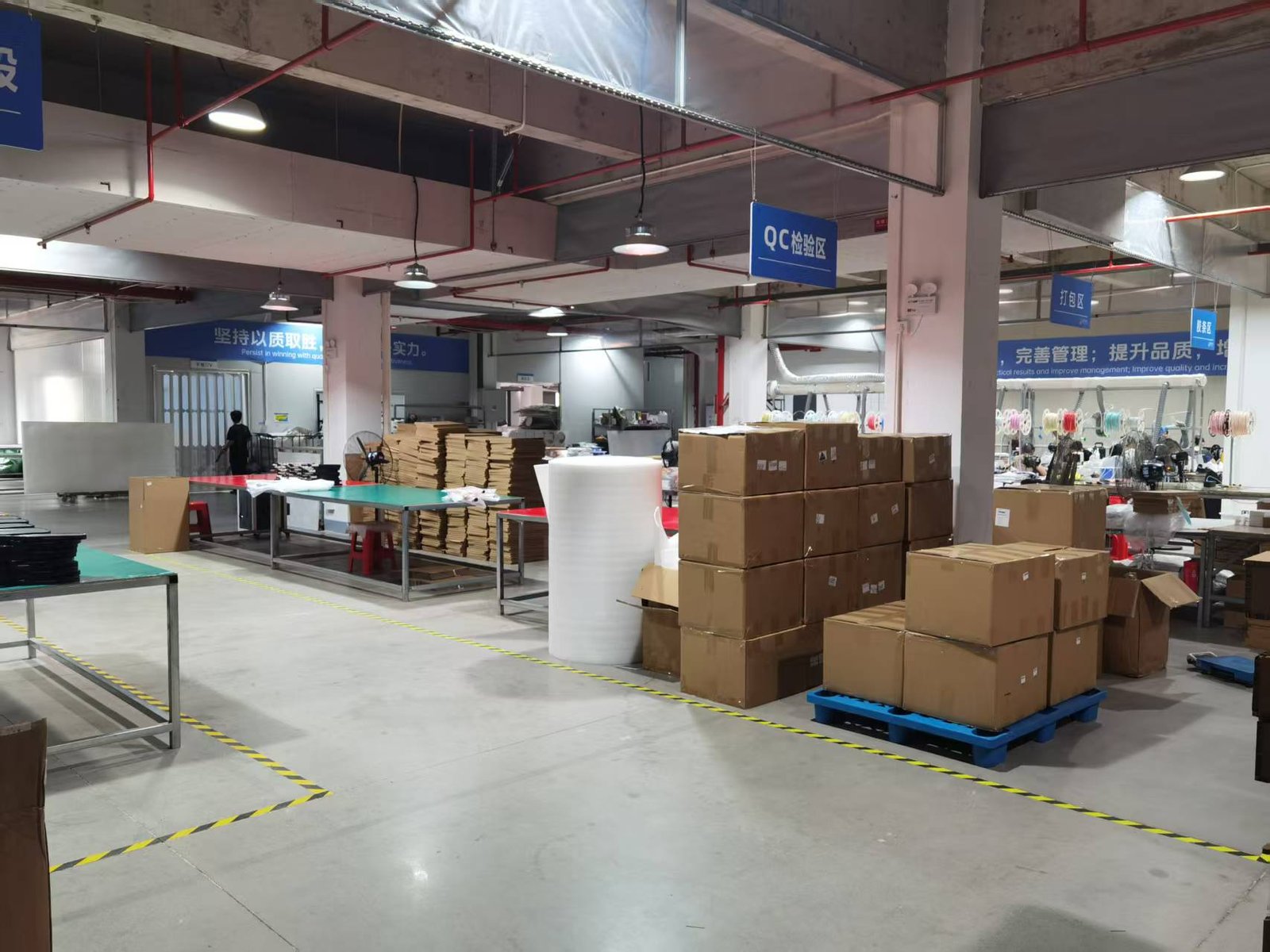
Assess quality-control systems. Incoming materials should be checked for specifications and appearance. In-process inspection should verify lamination, cutting, drilling, edge-guard installation, handle assembly and printing. Final inspection should include visual checks, weight, dimensions, adhesion and packaging accuracy.
Evaluate communication speed and clarity. Reliable project management is vital when a buyer is coordinating artwork, barcodes, carton marks, compliance labels and shipping deadlines. The best supplier identifies risks early instead of waiting until production is complete.
Finally, request commercial documentation appropriate to the project. This may include a quotation, specification sheet, sample approval record, inspection report, packing list and product test information. Requirements vary by destination and sales channel, so buyers should confirm applicable rules with their own compliance advisers.
Quality Control and Testing
Quality control begins before production. Material specifications should define face type, core thickness, core density, adhesive system and component colors. Artwork files should identify printable area, bleed, orientation and color references.
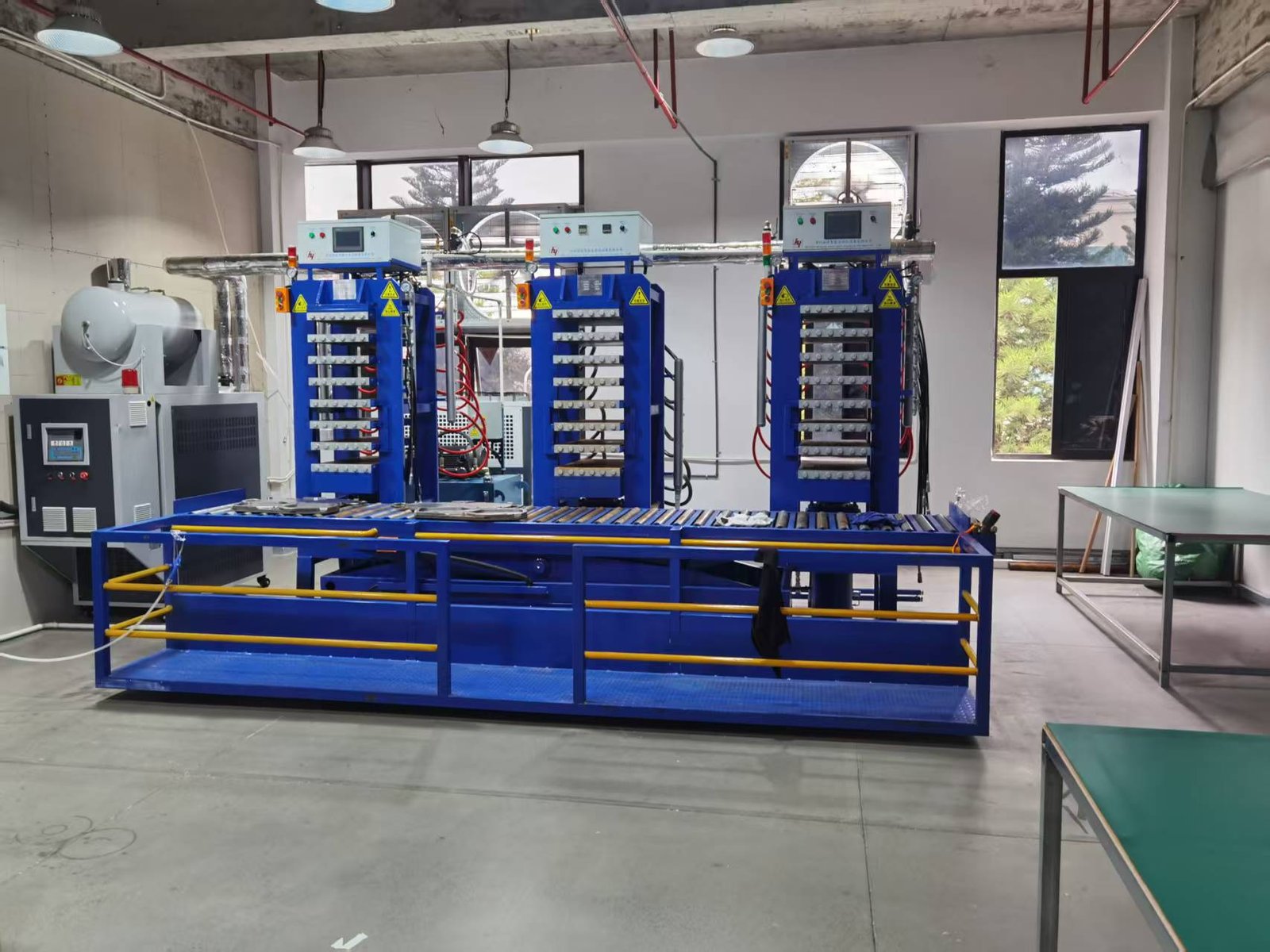
During lamination, time, temperature and pressure must remain controlled. Inconsistent bonding can cause dead spots, bubbles or delamination. After cutting, the paddle outline and handle transition should be smooth and symmetrical. Edge guards must fit evenly without large gaps or excess adhesive.
Finished paddles should be checked for weight, dimensions, flatness, visual defects, grip alignment and packaging. Drop testing, impact testing, surface adhesion testing and repeated-play trials may be added according to buyer requirements. For performance models, sample comparisons should focus on feel, sound, balance and consistency across multiple units rather than a single “best” sample.
A useful inspection standard defines acceptable quality limits and defect categories. Critical defects may include structural failure or incorrect branding. Major defects may include obvious printing problems, loose edge guards or out-of-tolerance weight. Minor defects may include small cosmetic marks that do not affect function.
Packaging, Logistics and Commercial Planning
Packaging protects the paddle and supports retail conversion. Options include individual covers, neoprene sleeves, Oxford-fabric bags, color boxes, mailer boxes, master cartons and complete paddle sets. E-commerce packaging should survive parcel delivery, while retail packaging should display product benefits and barcode information clearly.
Carton planning affects freight cost. Buyers should request unit dimensions, unit gross weight, carton quantity, carton size and carton gross weight before confirming an order. For sets, accessories can sometimes be nested efficiently to reduce volume.
Lead time should be divided into artwork approval, material preparation, production, inspection and shipping. Buyers should allow extra time for new constructions, custom packaging and peak-season schedules. A supplier should provide realistic milestones and promptly communicate changes.
Payment terms, warranty handling and spare-component policies should be discussed before production. Clear agreements reduce disputes and make repeat orders faster.
Working With a China-Based Supplier
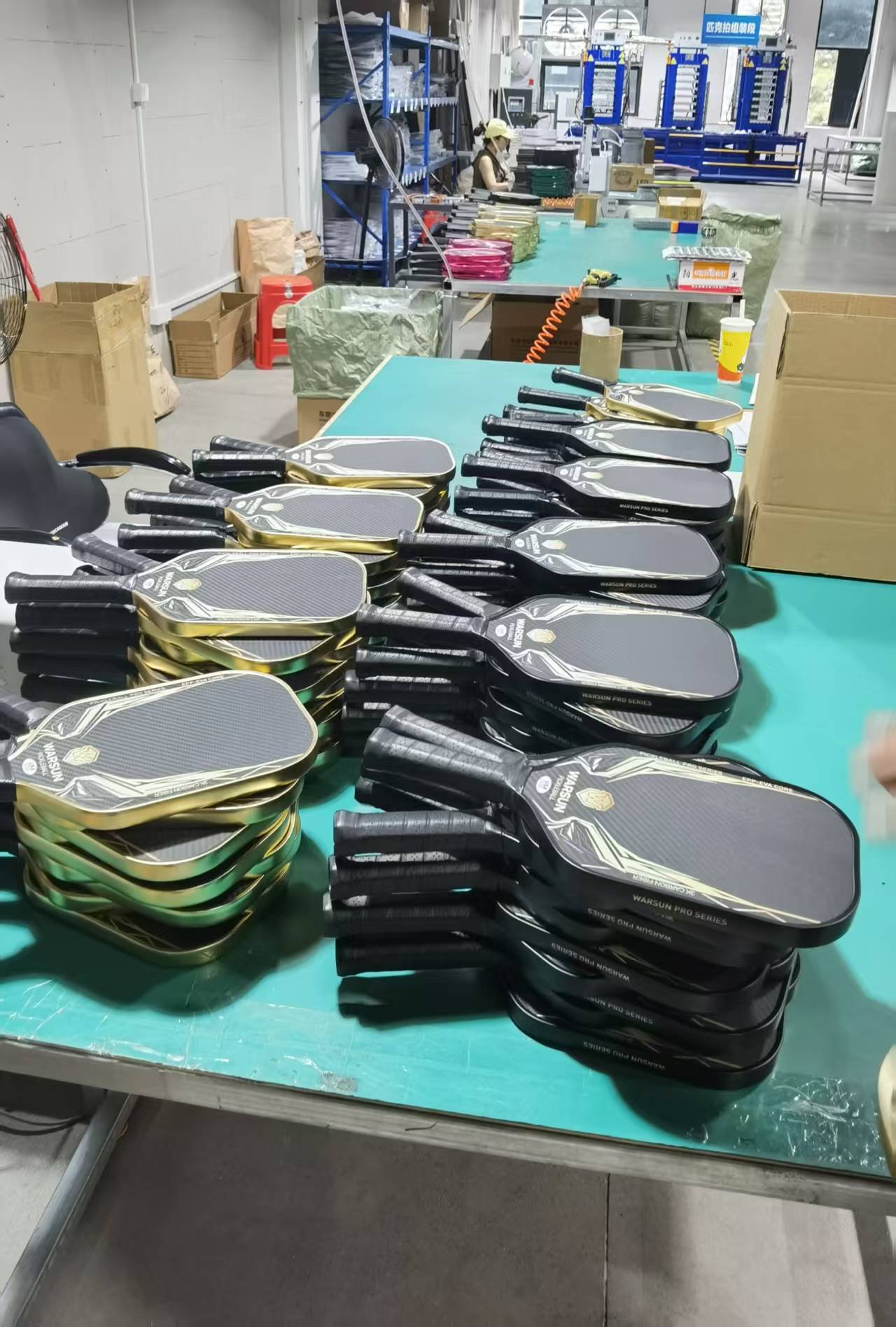
A graphite pickleball paddles supplier in China can offer broad component access, flexible printing and integrated packaging, but buyers still need structured project control. Factory capability should be verified through samples, documentation, video inspection or third-party audit when appropriate.
Time-zone differences are manageable when both sides use a shared specification sheet and written approval process. Important decisions should not remain only in chat messages. Artwork versions, sample comments and packaging instructions should be stored in organized files.
Consolidating fiberglass, graphite, T700 and 18K models with one supplier can improve color coordination and shipment efficiency. However, each model should have its own specification and quality standard. Consistency across the range is more important than simply offering many materials.
Step-by-Step Sample Development Process
A structured sample process helps buyers compare ideas objectively and prevents small misunderstandings from becoming expensive production problems. The first step is a written design brief. It should state the target market, expected retail price, face material, core thickness, shape, dimensions, target weight, grip size, artwork style, packaging and projected order quantity. Reference photos are useful, but measurable specifications are more reliable than visual references alone.
The supplier should then review feasibility. At this stage, the factory may recommend an existing mold, suggest a different core thickness or explain how artwork must be adjusted around the edge guard and handle. Buyers should request a preliminary specification sheet and cost breakdown before paying for samples. This makes it easier to understand which features affect price.
The first physical sample is primarily an engineering and visual check. Buyers should inspect weight, balance, handle comfort, edge-guard fit, surface finish, print color and packaging. Several players can test the paddle to collect feedback on power, control, vibration, sound and maneuverability. Feedback should be specific. Comments such as “make it better” are difficult to act on, while comments such as “reduce total weight by 8 grams and move the balance 10 mm toward the handle” are measurable.
After revisions, the supplier should produce a confirmation sample. This sample becomes the golden sample for mass production. Both parties should record final dimensions, target weight and tolerance, material, artwork version, color reference, grip construction, packaging and carton marks. Photographs alone are not enough; the approved physical sample and written specification should be retained.
Before mass production, the buyer should confirm the purchase order, artwork files, barcode data, shipping marks and inspection requirements. During production, progress photos or video can verify key stages. For larger orders, a pre-shipment inspection can compare randomly selected units with the golden sample.
A disciplined sample process may take longer than approving the first attractive prototype, but it usually saves time overall. It improves repeatability, supports clearer communication and gives both buyer and supplier an objective standard when evaluating production.
Why Buyers Choose Gloperti
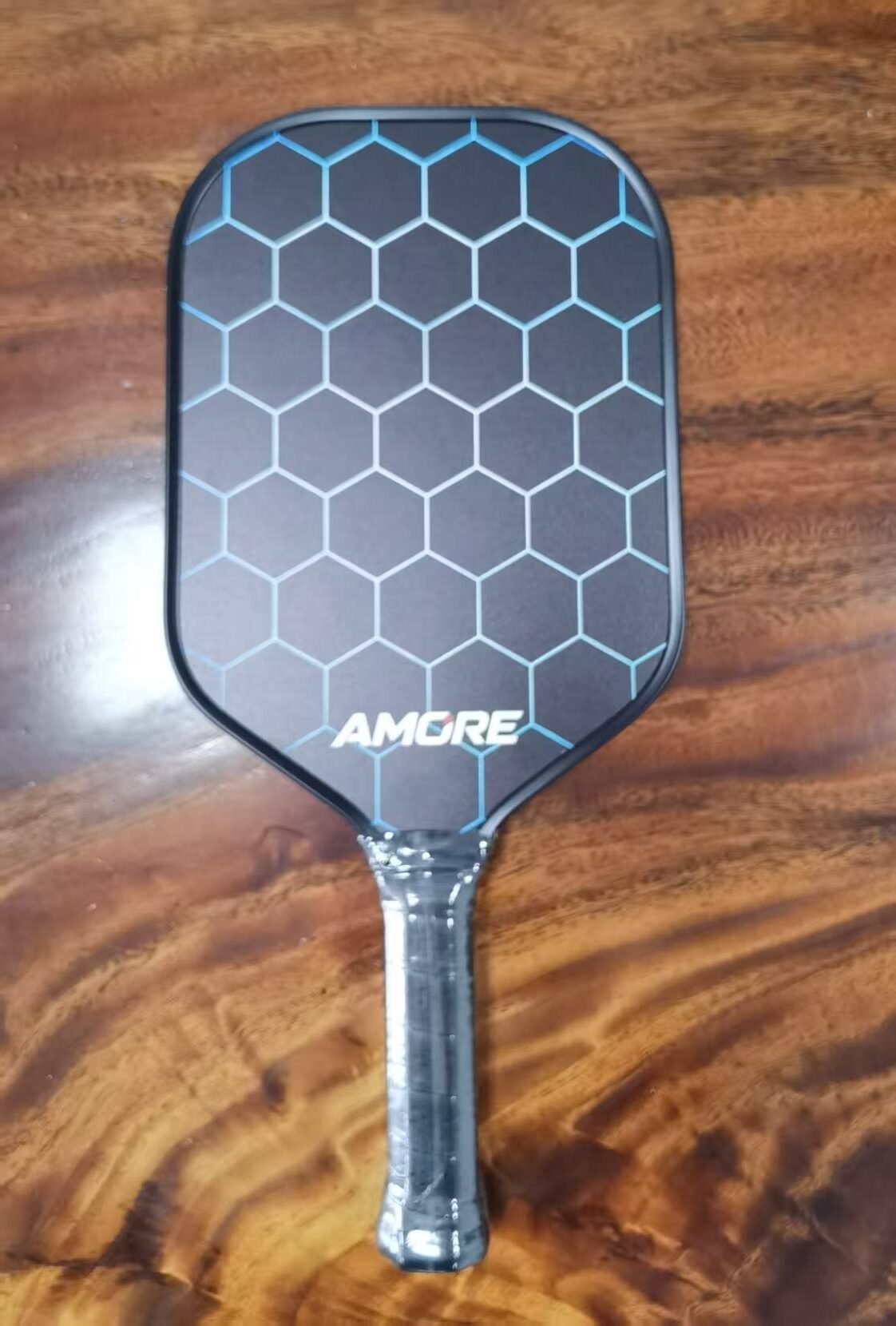
Gloperti is operated by Xiamen ShiPinTengYue Sports Co., Ltd. and focuses on sports equipment and accessories for global buyers. Our pickleball paddle development support covers fiberglass, graphite and carbon-fiber options, including elongated shapes, multiple core thicknesses and private-label graphics.
For custom paddle projects, we can support logo application, two-sided UV printing, packaging development and coordinated accessories. Typical paddle-development references include approximately 400 mm length, 190 mm width, 13 mm or 16 mm core options and target weights around 230 grams, while final specifications can be adjusted for the project.
Our goal is to help buyers move from concept to sample and from approved sample to controlled production. This includes practical recommendations on materials, weight, design, packaging and order planning. Buyers can visit our custom pickleball racket page to review OEM possibilities and discuss a project: https://www.gloperti.com/custom-pickleball-racket/.
Conclusion
Choosing a fiberglass pickleball paddle supplier requires careful review of construction knowledge, sample accuracy, quality control, customization capability and communication. Fiberglass remains an excellent material for accessible, colorful and commercially versatile paddles, while graphite, T700 and 18K carbon options allow a supplier to support broader product positioning.
Before placing an order, define the target customer, price level, material, shape, thickness, weight, graphics and packaging. Approve a golden sample and use written specifications for production. These steps reduce risk and create a stronger foundation for repeat orders.
A dependable supplier should act as a product-development partner rather than only a quotation source. With the right process, buyers can build a coordinated paddle collection ranging from lightweight recreational models to elongated T700 and premium 18K spin paddles.
Frequently Asked Questions
What is the main advantage of a fiberglass pickleball paddle?
Fiberglass paddles typically provide lively rebound, attractive graphics and accessible pricing, making them suitable for recreational, beginner and value-focused product lines.
Is fiberglass the same as glass fiber?
Yes. In paddle sourcing, fiberglass and glass fiber generally refer to the same reinforcement material, although weave, thickness and resin system can differ.
How does graphite compare with fiberglass?
Graphite faces are usually thinner and stiffer, often producing a crisp, controlled feel. Fiberglass commonly feels more lively and is well suited to colorful printed designs.
What should I request from a T700 elongated paddle supplier?
Request a detailed specification, target weight and balance range, core thickness, handle length, surface-texture information, physical samples and a written inspection standard.
Can a supplier make rose-gold pickleball paddles?
Yes. Rose-gold effects can be produced with metallic ink, film, foil-like graphics or coordinated components. Physical color samples are recommended before mass production.
What is a practical MOQ for custom pickleball paddles?
MOQ depends on the construction, printing, packaging and custom components. Existing molds and standard materials usually permit lower quantities than fully customized structures.
Can paddle graphics be printed on both sides?
Yes. Two-sided UV printing is widely used for custom paddles. Artwork should include bleed, orientation, color references and approved print positions.
How should buyers control production consistency?
Use a signed specification sheet, an approved golden sample, defined weight and dimension tolerances, in-process inspection and a final inspection report.
Ready to develop a private-label paddle range? Contact Gloperti to discuss materials, samples, graphics, packaging and production planning.
Looking for a reliable OEM/ODM pickleball paddle manufacturer?
Gloperti specializes in custom pickleball paddle manufacturing — logos, colors, packaging, and specs fully customized for brands, clubs, and retailers.
Ready to Source the Right Paddle?
Whether you need OEM/ODM manufacturing, wholesale pricing, or a custom branded paddle – we’re here to help. Get a free quote within 24 hours.