Editorial note: Product specifications and availability may change. Verify the current manufacturer or retailer listing before purchase.
Introduction
The question “what is the best pickleball paddle?” sounds simple, but the honest answer depends on the player. A first-time player who needs a forgiving sweet spot should not automatically buy the same paddle as an aggressive tournament player who wants maximum spin and hand speed. The best paddle is the one that fits your current technique, physical comfort, preferred shape, grip size, budget, and long-term goals.
This guide compares several popular search categories and brand families, including the JOOLA Essentials pickleball paddle, Onix pickleball paddle options, Volair pickleball paddle models, Ruby pickleball paddle designs, RPM pickleball paddle choices, Babolat pickleball paddle products, and the Paddlesshop Planker4S TruFoam pickleball paddle. More importantly, it explains how paddle weight, core thickness, surface material, shape, balance, and grip affect real play.
Product specifications and availability can change, so buyers should always verify the current listing before ordering. Use the framework below to narrow the field, then choose the paddle that gives you confidence rather than the paddle with the loudest marketing.
Quick Answer: What Is the Best Pickleball Paddle?
For most recreational players, the best all-around paddle is a medium-weight model with a comfortable grip, a generous sweet spot, a polymer-based core, and a textured composite or carbon surface. This type of paddle normally offers a manageable blend of control, power, spin, and stability.
Beginners usually benefit from a standard or widebody shape because the hitting area is more forgiving. Intermediate players may prefer a hybrid shape that improves reach without making the paddle feel too slow. Advanced players often choose elongated or performance-oriented designs based on a very specific need, such as extra reach, faster counters, heavier drives, or more spin.
The best purchase is therefore not always the most expensive paddle. A well-matched entry-level or mid-range paddle can help a developing player improve faster than a premium model that is too heavy, too stiff, too head-heavy, or too demanding.
The Six Features That Matter Most
Before comparing brand names, evaluate six practical features.
First, consider paddle weight. Lighter paddles are easier to move quickly, while heavier paddles usually provide more momentum and stability. Second, look at shape. Widebody shapes improve forgiveness; elongated shapes improve reach and potential leverage; hybrid shapes try to balance both.
Third, examine the core. A thicker core often feels softer and more controlled, while a thinner core tends to feel livelier and more direct. Fourth, consider the surface. Fiberglass can provide accessible pop, while textured carbon-based surfaces are often selected for spin, dwell, and consistency.
Fifth, check the grip. A grip that is too large can limit wrist movement, while one that is too small may require excessive squeezing. Sixth, think about balance. Two paddles with the same static weight can feel very different if one carries more mass toward the head.
These factors are more useful than buying solely from a celebrity endorsement, a fashionable color, or a single online rating.
Pickleball Paddle Weight: Light, Medium, or Heavy?
Pickleball paddle weight strongly influences comfort and performance. In general, a light paddle favors maneuverability, a medium-weight paddle balances speed and stability, and a heavier paddle increases plow-through and resistance to twisting.
A lighter paddle can help players who value fast reactions at the kitchen line. It may also feel less tiring during long sessions. However, very light paddles can feel less stable on off-center contact and may require the player to generate more acceleration.
A medium-weight paddle is the safest starting point for many buyers. It offers enough mass for serves and drives without feeling difficult to position during quick exchanges. This is why many beginner and all-court paddles are designed around a moderate overall feel.
A heavier paddle can add depth, block stability, and power, but it may slow the hands or increase fatigue. Players with elbow, wrist, or shoulder discomfort should be cautious about both excessive total weight and excessive head weight. Comfort is personal, and small differences can matter.
Do not judge weight from a single number alone. Swing weight, twist weight, grip length, edge protection, overgrips, and weighted tape all change how the paddle feels in motion.
Best Pickleball Paddle for Beginners
A pickleball paddle for beginners should make clean contact easier. Look for a generous face, predictable response, comfortable grip, moderate weight, and enough surface texture to learn basic spin without demanding perfect technique.
New players usually do not need an extremely elongated shape or a highly specialized power paddle. A standard or widebody face gives more margin for error. A medium or medium-light feel makes it easier to practice serves, returns, volleys, dinks, and resets during the same session.
A beginner should also consider how the paddle will be used. A simple wood set can be adequate for occasional family play, but a composite paddle with a polymer core is generally a better long-term option for regular lessons, open play, or league development. The improved feel can make it easier to recognize the difference between a mishit and a good stroke.
The JOOLA Essentials pickleball paddle and entry-level Onix sets are examples of products aimed at recreational or developing players. The right choice depends on whether the buyer needs one paddle, a two-paddle set, balls, a bag, or a more performance-oriented single paddle.
JOOLA Essentials Pickleball Paddle
The JOOLA Essentials pickleball paddle family is positioned as an accessible route into the sport. Essentials sets commonly emphasize easy playability, a familiar shape, a comfortable handle, and a package format suitable for couples, families, schools, clubs, or first-time buyers.
This category makes sense for shoppers who want a recognizable brand and a ready-to-play bundle. A set can reduce the hassle of selecting separate paddles, balls, and a carry solution. It is also useful for households where two people want to learn together.
The main question is whether the player expects rapid progression. A recreational JOOLA Essentials paddle can be a smart starting point, but a player who already has strong racket-sport technique may prefer a more advanced surface, thicker core, or specialized shape sooner.
When comparing Essentials listings, confirm whether the item is a single paddle or a set, the stated core thickness, face material, average weight, grip dimensions, included balls, and approval status. Product names can look similar even when the package contents differ.
Onix Pickleball Paddle Options
Many users type “onyx pickleball paddle,” but the established pickleball brand is commonly written Onix. Onix offers beginner sets, recreational paddles, and performance-oriented models, making the brand relevant to several skill levels.
For beginners, a starter set can be attractive because it includes the basic equipment needed for immediate play. For developing players, widebody graphite or composite options can provide a larger sweet spot and familiar all-court handling. The brand’s well-known widebody designs are often considered by players who prioritize control and forgiveness.
When evaluating an Onix pickleball paddle, compare the face material, core type, shape, weight range, handle length, and grip circumference. Do not assume every Onix model has the same feel. A wooden starter paddle, a composite starter paddle, and a graphite performance paddle can behave very differently.
The best Onix option is the one that fits the intended use. Family recreation, beginner instruction, competitive doubles, and power-focused singles each create different requirements.
Paddlesshop Planker4S TruFoam Pickleball Paddle
The Paddlesshop Planker4S TruFoam pickleball paddle appears in searches from buyers interested in newer foam-enhanced or so-called generation-four construction concepts. Listings may emphasize carbon surfaces, thermoformed construction, perimeter foam, stability, or a more solid feel.
This type of paddle can appeal to intermediate and advanced players who want a modern response and are comfortable comparing technical specifications. However, lesser-known or marketplace-driven models require careful verification. Confirm the actual seller, warranty, return policy, approval status, measured weight range, core thickness, surface material, and whether the product name is used consistently across listings.
Foam-enhanced construction can influence feel and stability, but the word “foam” alone does not guarantee better performance. The execution of the layup, core, edge structure, handle connection, quality control, and surface durability all matter.
Buyers should also look for independent measurements rather than relying only on promotional labels such as “Gen 4,” “TruFoam,” or “pro.” These terms can describe a design direction, but they are not a universal performance standard.
Volair Pickleball Paddle
A Volair pickleball paddle is often considered by players who value a performance-focused balance of spin, control, speed, and modern construction. Volair’s model range can include different shapes, thicknesses, and surface concepts, so shoppers should compare the exact version rather than treating the brand as one single paddle.
Players with quick hands may prefer a shape and balance that feels fast at the net. Baseline-oriented players may prioritize reach, drive power, and a longer handle. Doubles players who reset and counter frequently may value stability and a controlled response.
Volair can be a strong candidate for intermediate and advanced buyers, but the best model still depends on swing mechanics. A paddle that feels lively and fast to one player may feel unstable to another. Demo opportunities, return windows, and accurate weight information are valuable when buying a performance paddle online.
Ruby Pickleball Paddle
The Ruby pickleball paddle is commonly associated in consumer searches with a distinctive performance identity and a textured surface concept. Buyers are often attracted by spin potential, control-oriented play, and a design that stands apart visually from conventional black carbon paddles.
When considering a Ruby model, focus on more than the surface story. Check the shape, handle length, core thickness, static weight, swing weight, and balance. A spin-friendly surface is useful only when the paddle is comfortable enough for the player to accelerate and control repeatedly.
The Ruby category is best suited to players who already understand their preferences or who have access to a demo. Beginners can still use a premium textured paddle, but they may not benefit from every feature immediately. A less expensive, forgiving paddle may leave more budget for lessons, court fees, shoes, and balls.
RPM Pickleball Paddle
RPM pickleball paddle searches may refer to a brand, model family, or seller-specific product depending on the market. Because the term can be ambiguous, buyers should verify the manufacturer and exact model before comparing prices or reviews.
Use the same evaluation method applied to better-known brands: identify the face material, core construction, thickness, shape, handle length, weight range, approval status, warranty, and return policy. Also check whether reviews are attached to the exact paddle rather than a mixed product listing.
An RPM paddle may offer good value, but value is not simply the lowest price. Reliable quality control, consistent weight, secure edge construction, durable graphics, and responsive customer service all contribute to the real cost of ownership.
Babolat Pickleball Paddle
A Babolat pickleball paddle can be appealing to tennis players who already recognize the brand and prefer a racket-sport-oriented product ecosystem. Babolat has offered paddle options with different shapes and performance priorities, including control, power, maneuverability, and spin.
Tennis players should avoid assuming that their preferred tennis racket weight automatically translates to pickleball. The shorter swing, faster exchanges, non-volley-zone play, and repeated blocks create different demands. A long handle may feel familiar for two-handed backhands, but a head-heavy paddle can still feel slow during rapid counters.
The best Babolat option will depend on whether the player wants an easy transition from tennis, a control platform for doubles, or a more aggressive power setup. Verify the exact model specifications because different versions can target very different users.
How the Major Choices Compare
JOOLA Essentials is a practical starting point for recreational players and buyers who want a complete set. Onix offers a broad path from starter equipment to established widebody performance options. Volair is commonly considered by performance-minded players who want modern shapes and construction. Ruby appeals to buyers focused on spin, control, and a distinctive surface identity. Babolat can be attractive to tennis converts and brand-loyal racket-sport players.
The Paddlesshop Planker4S TruFoam pickleball paddle and RPM pickleball paddle require especially careful model and seller verification because naming, distribution, and listing details may vary. They may offer compelling specifications, but buyers should compare warranty and quality-control evidence as carefully as performance claims.
No brand wins every category. The best brand is the one that offers a suitable model, transparent specifications, dependable support, and a price that matches the player’s actual level.
A Step-by-Step Buying Process
Start by defining your level: new, developing, intermediate, advanced, or competitive. Next, choose your main priority: forgiveness, control, spin, hand speed, power, reach, or comfort. Then select a shape that supports that priority.
Choose a comfortable weight range and pay attention to balance. Select a core thickness based on the response you prefer, but remember that construction matters as much as thickness. Check grip circumference and handle length, especially if you use a two-handed backhand.
Create a shortlist of three models. Compare verified specifications, approval status, warranty, return policy, and total delivered price. Read reviews for recurring patterns rather than isolated praise or complaints. When possible, demo the paddles or buy from a seller with a reasonable return window.
Finally, avoid changing several variables at once. A paddle, overgrip, edge tape, and weighted tape can each alter feel. Test the paddle in its original condition before customizing it.
Common Buying Mistakes
One common mistake is buying a paddle because a professional uses it. Professionals have exceptional timing, strength, and customization preferences. Their equipment may not be forgiving for a recreational player.
Another mistake is choosing the heaviest paddle for power. Power also comes from timing, acceleration, technique, core response, and contact quality. Excessive weight can reduce speed and comfort.
Some buyers focus only on surface material. Carbon, fiberglass, Kevlar-type fibers, and hybrid faces can all perform well when combined with a good core and construction. Material labels do not tell the entire story.
A final mistake is ignoring grip size and balance. These details can affect comfort on every shot. A paddle that looks perfect on paper may still feel wrong in the hand.
Recommendations by Player Type
For a first-time player who wants a complete kit, compare the JOOLA Essentials pickleball paddle set with beginner Onix sets. Choose the package with the most suitable grip, weight, included accessories, and return policy.
For a beginner who plans to play weekly, choose a composite or carbon-based paddle with a polymer core and a forgiving standard or widebody shape. Avoid an extreme head-heavy setup.
For an intermediate all-court player, compare hybrid shapes from performance brands such as Volair, Ruby-related models, Babolat, and established Onix lines. Prioritize a manageable swing feel and predictable resets.
For a power-focused player, look for sufficient mass, an efficient shape, and a lively construction without sacrificing control. For a control-focused doubles player, consider a thicker, stable platform with a comfortable grip and strong off-center response.
For a buyer exploring the Planker4S TruFoam or an RPM paddle, verify exact product identity and support terms before purchase.
For Retailers, Clubs, and Private-Label Buyers
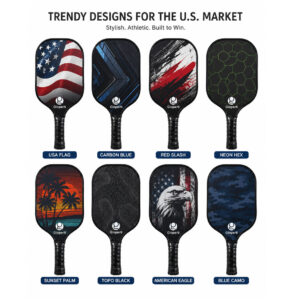
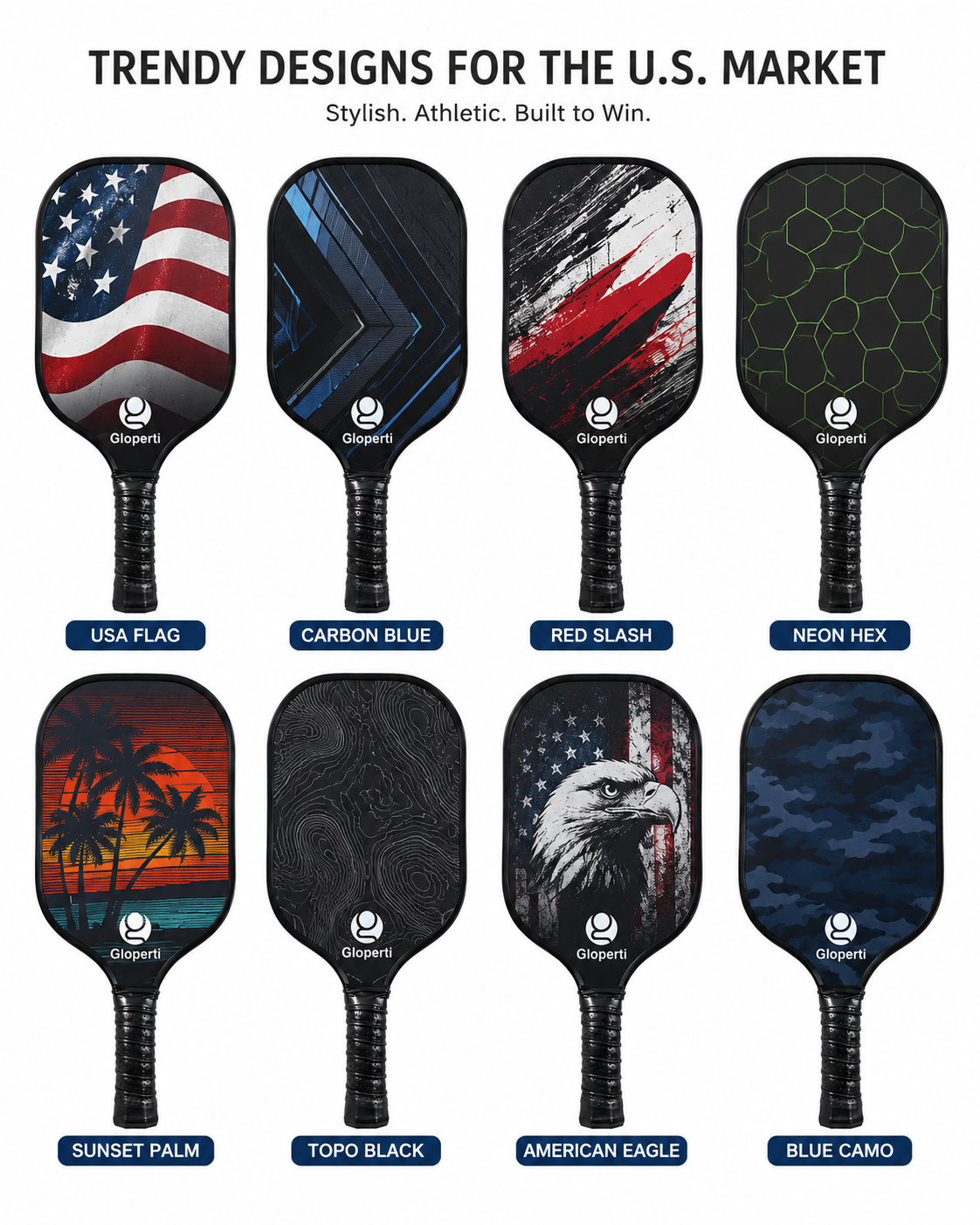
Retailers and clubs should think beyond one hero model. A useful assortment includes an entry-level set, a forgiving mid-range paddle, a spin-oriented performance paddle, and a power or elongated option. This helps customers choose by need rather than price alone.
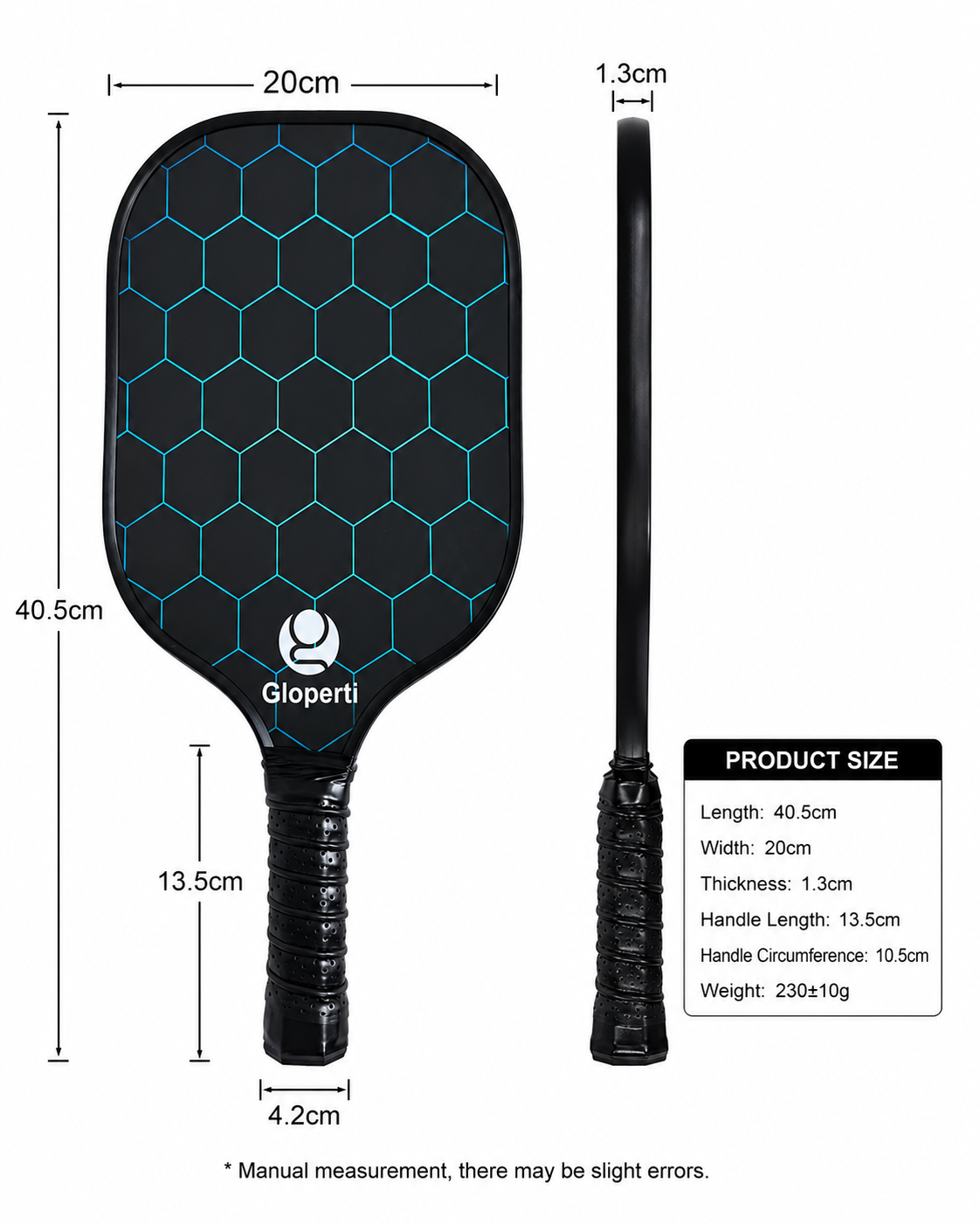
Private-label buyers should specify target weight, tolerance, balance, core thickness, face material, shape, handle length, grip circumference, edge design, print method, packaging, approval requirements, and quality-control tests. Samples should be evaluated for consistency, not only appearance.
A successful paddle line needs clear positioning. “Best paddle” is too broad. Better product stories include “for beginners who want a larger sweet spot,” “for fast doubles counters,” “for tennis players using two-handed backhands,” or “for clubs needing durable starter sets.”
Final Verdict
So, what is the best pickleball paddle? For most people, it is a comfortable medium-weight paddle with a forgiving face, dependable core, suitable grip, and performance characteristics that match their current game.
The JOOLA Essentials pickleball paddle and beginner Onix options are sensible starting points for new and recreational players. Volair, Ruby, Babolat, and higher-performance Onix models deserve consideration from players with clearer preferences. The Paddlesshop Planker4S TruFoam pickleball paddle and RPM pickleball paddle may be interesting alternatives, but buyers should carefully verify specifications, seller reliability, warranty, and approval status.
Choose for fit, not hype. A paddle that helps you contact the ball cleanly, control the kitchen, react comfortably, and enjoy playing is a better investment than a premium model that fights your natural swing.
Frequently Asked Questions
What is the best pickleball paddle for a beginner?
A medium or medium-light composite paddle with a generous sweet spot, comfortable grip, polymer core, and standard or widebody shape is a strong beginner choice.
Is the JOOLA Essentials pickleball paddle good for beginners?
It is designed as an accessible recreational option and is commonly sold in starter-friendly formats. Buyers should compare the exact set contents, weight, thickness, and grip before ordering.
Is it spelled Onyx or Onix pickleball paddle?
Many shoppers type “Onyx,” but the established paddle brand is commonly written ONIX. Always verify the brand and exact model on the product listing.
What pickleball paddle weight should I choose?
Many players prefer a moderate overall feel because it balances maneuverability and stability. Comfort, swing weight, balance, and physical condition matter as much as static weight.
Are heavier pickleball paddles more powerful?
They can provide more momentum and stability, but they may also reduce hand speed and increase fatigue. Technique and construction also influence power.
Is a carbon fiber paddle always better than fiberglass?
No. Carbon surfaces often appeal to players seeking spin and consistency, while fiberglass can provide accessible pop. Overall construction and player fit matter more than one material label.
What is special about a Ruby pickleball paddle?
Ruby-related models are often researched for their textured surface, spin potential, control, and distinctive material story. Buyers should still compare shape, thickness, weight, and balance.
Who should consider a Volair pickleball paddle?
Intermediate and advanced players who want modern shapes and a performance-focused balance of speed, spin, control, and power may include Volair in their shortlist.
Should tennis players choose a Babolat pickleball paddle?
Babolat can feel familiar to tennis players, especially when handle length and shape match their preferences, but the exact pickleball model should still be evaluated on its own.
How should I evaluate a Planker4S TruFoam or RPM paddle?
Confirm the exact manufacturer, seller, construction, approval status, measured weight, warranty, and return policy. Do not rely on a generation label or promotional term alone.
Need custom pickleball paddles for your brand, club, or retail program? Explore OEM/ODM options at Gloperti Custom Pickleball Racket.
Looking for a reliable OEM/ODM pickleball paddle manufacturer?
Gloperti specializes in custom pickleball paddle manufacturing — logos, colors, packaging, and specs fully customized for brands, clubs, and retailers.
Ready to Source the Right Paddle?
Whether you need OEM/ODM manufacturing, wholesale pricing, or a custom branded paddle – we’re here to help. Get a free quote within 24 hours.